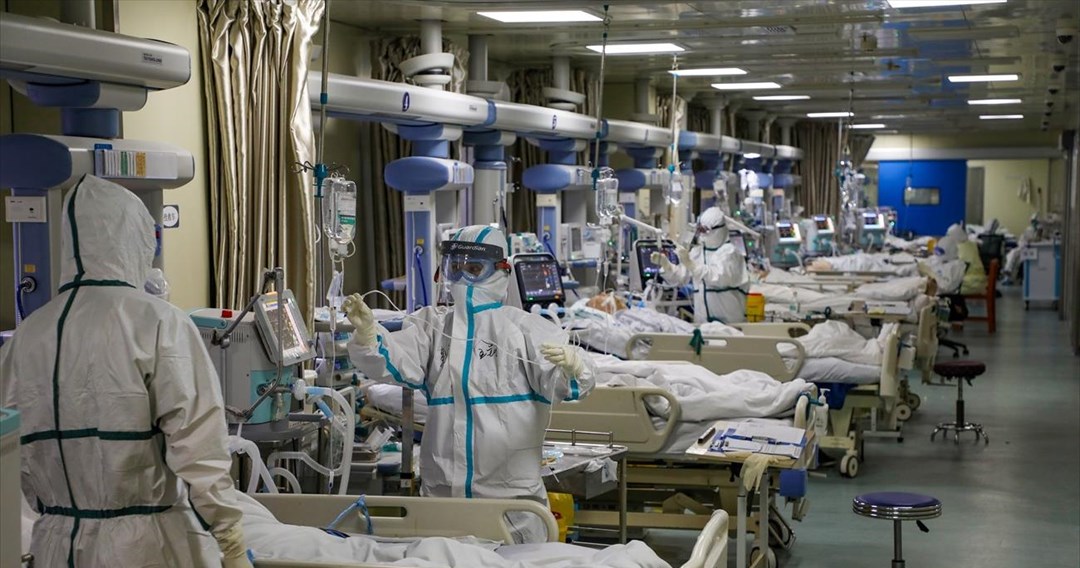
Ίδια σύγχυση και στο αυθεντικό Interim Report του CDC (Κέντρο Ελέγχου Νόσου) των ΗΠΑ

H Ελίτ αποφασίζει για την παγκόσμια κοινότητα πότε να σπείρει την πανδημία και να επιβάλλει τον εμβολιασμό

Interim Clinical Considerations for Use of mRNA COVID-19 Vaccines Currently Authorized in the U325nited States

Summary of recent changes (last updated February 10, 2021):

  • New recommendations for preventing, reporting, and managing mRNA COVID-19 vaccine administration errors (Appendix A).
  • Clarification on contraindications and precautions. Persons with a known (diagnosed) allergy to PEG, another mRNA vaccine component, or polysorbate, have a contraindication to vaccination. Persons with a reaction to a vaccine or injectable therapy that contains multiple components, one of which is PEG, another mRNA vaccine component or polysorbate, but in whom it is unknown which component elicited the immediate allergic reaction have a precaution to vaccination.
  • Updated information on delayed, local injection-site reactions after the first mRNA vaccine dose. These reactions are neither a contraindication or precaution to the second dose.
  • Updated quarantine recommendations for vaccinated persons. Fully vaccinated persons who meet criteria will no longer be required to quarantine following an exposure to someone with COVID-19. Additional considerations for patients and residents in healthcare settings are provided.
  • Additional information and updated recommendations for testing for TB infection. TB testing can be done before or at the same time as mRNA COVID-19 vaccination, or otherwise delayed for ≥4 weeks after the completion of mRNA COVID-19 vaccination.

Background

The Advisory Committee on Immunization Practices (ACIP) has issued interim recommendations for the use of Pfizer-BioNTech and Moderna COVID-19 vaccines for the prevention of coronavirus disease 2019 (COVID-19) in the United States. Both vaccines are lipid nanoparticle-formulated, nucleoside-modified mRNA vaccines encoding the prefusion spike glycoprotein of SARS-CoV-2, the virus that causes COVID-19.

These interim CDC clinical considerations are informed by data submitted to the Food and Drug Administration (FDA) for Emergency Use Authorization (EUA) of the vaccines, other data sources, general best practice guidelines for immunization, and expert opinion. These considerations for mRNA vaccines only apply to the currently authorized vaccine products in the United States (i.e., Pfizer-BioNTech and Moderna COVID-19 vaccines). Considerations will be updated when additional information becomes available and/or if additional vaccine products are authorized.

In addition to the following considerations, the EUA conditions of use and storage, handling, and administration procedures described in the prescribing information should be referenced when using the Pfizer-BioNTechexternal icon and Modernaexternal icon COVID-19 vaccines. 

Authorized age groups

Under the EUAs, the following age groups are authorized to receive vaccination:

  • Pfizer-BioNTech: ages ≥16 years
  • Moderna: ages ≥18 years

Children and adolescents outside of these authorized age groups should not receive COVID-19 vaccination at this time.

Administration

The mRNA COVID-19 vaccine series consist of two doses administered intramuscularly:

  • Pfizer-BioNTech (30 µg, 0.3 ml each): 3 weeks (21 days) apart
  • Moderna (100 µg, 0.5 ml): 1 month (28 days) apart

Persons should not be scheduled to receive the second dose earlier than recommended (i.e., 3 weeks [Pfizer-BioNTech] or 1 month [Moderna]). However, second doses administered within a grace period of 4 days earlier than the recommended date for the second dose are still considered valid. Doses inadvertently administered earlier than the grace period should not be repeated.

The second dose should be administered as close to the recommended interval as possible. However, if it is not feasible to adhere to the recommended interval and a delay in vaccination is unavoidable, the second dose of Pfizer-BioNTech and Moderna COVID-19 vaccines may be administered up to 6 weeks (42 days) after the first dose. There are currently limited data on efficacy of mRNA COVID-19 vaccines administered beyond this window. If the second dose is administered beyond these intervals, there is no need to restart the series.

Information on preventing, reporting, and managing mRNA COVID-19 vaccine administration errors is found in Appendix A.  Vaccine administration errors should be reported to the Vaccine Adverse Event Reporting System (VAERS)external icon.

Interchangeability with other COVID-19 vaccine products

Either of the currently authorized mRNA COVID-19 vaccines can be used when indicated; ACIP does not state a product preference. However, these mRNA COVID-19 vaccines are not interchangeable with each other or with other COVID-19 vaccine products. The safety and efficacy of a mixed-product series have not been evaluated. Both doses of the series should be completed with the same product.

Strategies to help ensure that patients receive the second dose with the appropriate product and interval between doses include:

  • Providing COVID-19 vaccination record cards to vaccine recipients, asking recipients to bring their card to their appointment for the second dose, and encouraging recipients to make a backup copy (e.g., by taking a picture of the card on their phone).
  • Encouraging vaccine recipients to enroll in VaxTextSM, a free text message-based platform to receive COVID-19 vaccination second-dose reminders.
  • Recording each recipient’s vaccination in the immunization information system (IIS).
  • Recording vaccine administration information in the patient’s medical record.
  • Making an appointment for the second dose before the vaccine recipient leaves, to increase the likelihood that patients will present at the same vaccination site for the second dose.

Using the above strategies, every effort should be made to determine which vaccine product was received as the first dose, in order to ensure completion of the vaccine series with the same product. In exceptional situations in which the first-dose vaccine product cannot be determined or is no longer available, any available mRNA COVID-19 vaccine may be administered at a minimum interval of 28 days between doses to complete the mRNA COVID-19 vaccination series. If two doses of different mRNA COVID-19 vaccine products are administered in these situations (or inadvertently), no additional doses of either product are recommended at this time.

Recommendations may be updated when further information becomes available or other vaccine types (e.g., viral vector, protein subunit vaccines) are authorized.

Coadministration with other vaccines

Given the lack of data on the safety and efficacy of mRNA COVID-19 vaccines administered simultaneously with other vaccines, the vaccine series should routinely be administered alone, with a minimum interval of 14 days before or after administration with any other vaccine. However, mRNA COVID-19 and other vaccines may be administered within a shorter period in situations where the benefits of vaccination are deemed to outweigh the potential unknown risks of vaccine coadministration (e.g., tetanus toxoid-containing vaccination as part of wound management, rabies vaccination for post-exposure prophylaxis, measles or hepatitis A vaccination during an outbreak) or to avoid barriers or delays to mRNA COVID-19 vaccination (e.g., in long-term care facility residents or healthcare personnel who received influenza or other vaccinations prior to/upon admission or onboarding). If mRNA COVID-19 vaccines are administered within 14 days of another vaccine, doses do not need to be repeated for either vaccine.

Booster doses

The need for and timing of booster doses for mRNA COVID-19 vaccines has not been established. No additional doses beyond the two-dose primary series are recommended at this time. 

Vaccination of persons with a SARS-CoV-2 infection or exposure

Persons with a current or prior history of SARS-CoV-2 infection

Data from clinical trials indicate that mRNA COVID-19 vaccines can safely be given to persons with evidence of a prior SARS-CoV-2 infection. Vaccination should be offered to persons regardless of history of prior symptomatic or asymptomatic SARS-CoV-2 infection. Viral testing to assess for acute SARS-CoV-2 infection or serologic testing to assess for prior infection for the purposes of vaccine decision-making is not recommended.

Vaccination of persons with known current SARS-CoV-2 infection should be deferred until the person has recovered from the acute illness (if the person had symptoms) and criteria have been met for them to discontinue isolation. This recommendation applies to persons who experience SARS-CoV-2 infection before receiving any vaccine doses as well as those who experience SARS-CoV-2 infection after the first dose but before receipt of the second dose.

While there is no recommended minimum interval between infection and vaccination, current evidence suggests that the risk of SARS-CoV-2 reinfection is low in the months after initial infection but may increase with time due to waning immunity. Thus, while vaccine supply remains limited, persons with recent documented acute SARS-CoV-2 infection may choose to temporarily delay vaccination, if desired, recognizing that the risk of reinfection, and therefore the need for vaccination, might increase with time following initial infection.

For vaccinated persons who subsequently experience COVID-19, prior receipt of an mRNA COVID-19 vaccine should not affect treatment decisions (including use of monoclonal antibodies, convalescent plasma, antiviral treatment, or corticosteroid administration) or timing of such treatments.

Persons who previously received passive antibody therapy

Currently, there are no data on the safety and efficacy of mRNA COVID-19 vaccines in persons who received monoclonal antibodies or convalescent plasma as part of COVID-19 treatment. Based on the estimated half-life of such therapies and evidence suggesting that reinfection is uncommon in the 90 days after initial infection, vaccination should be deferred for at least 90 days, as a precautionary measure until additional information becomes available, to avoid potential interference of the antibody therapy with vaccine-induced immune responses. This recommendation applies to persons who receive passive antibody therapy before receiving any vaccine doses and those who receive passive antibody therapy after the first dose but before the second dose, in which case the second dose should be deferred for at least 90 days following receipt of the antibody therapy.

For persons receiving antibody therapies not specific to COVID-19 treatment (e.g., intravenous immunoglobulin, RhoGAM), administration of mRNA COVID-19 vaccines either simultaneously with or at any interval before or after receipt of an antibody-containing product is unlikely to substantially impair development of a protective antibody response. Thus, there is no recommended minimum interval between other antibody therapies (i.e., those that are not specific to COVID-19 treatment) and mRNA COVID-19 vaccination.

Vaccinating persons with a known SARS-CoV-2 exposure or during COVID-19 outbreaks

mRNA vaccines are not currently recommended for outbreak management or for post-exposure prophylaxis, which is vaccination to prevent the development of SARS-CoV-2 infection in a person with a specific known exposure. Because the median incubation period of SARS-CoV-2 is 4–5 days, it is unlikely that the first dose of COVID-19 vaccine would provide an adequate immune response within the incubation period for effective post-exposure prophylaxis. Thus, vaccination is unlikely to be effective in preventing disease following an exposure.

Persons in the community or outpatient setting who have had a known COVID-19 exposure should not seek vaccination until their quarantine period has ended to avoid potentially exposing healthcare personnel and other persons to SARS-CoV-2 during the vaccination visit.

Residents with a known COVID-19 exposure living in congregate healthcare settings (e.g., long-term care facilities), where exposure and transmission of SARS-CoV-2 can occur repeatedly for long periods of time, may be vaccinated. In these settings, healthcare personnel are already in close contact with residents (e.g., entering patient rooms for evaluation and treatment). Vaccinators should employ appropriate infection prevention and control procedures.

Residents of other congregate settings (e.g., correctional and detention facilities, homeless shelters) with a known COVID-19 exposure may also be vaccinated, in order to avoid delays and missed opportunities for vaccination given the increased risk for outbreaks in these settings. However, where feasible, precautions should be taken to limit mixing exposed individuals with other residents or staff (except those essential for the provision of vaccination services, who should employ appropriate infection and control procedures).

Persons residing in congregate settings (healthcare and non-healthcare) who have had an exposure and are awaiting results of SARS-CoV-2 testing may be vaccinated if the person does not have symptoms consistent with COVID-19.

In situations where facility-wide testing is being conducted to identify SARS-CoV-2 infections, facilities should attempt to complete facility-wide testing within a period that allows for test results to be received prior to vaccination in order to isolate those patients with SARS-CoV-2 infection. However, it is not necessary to wait for test results if this would create delays in vaccination. In such situations, persons without symptoms consistent with COVID-19 may be vaccinated. Although not contraindicated, vaccination may be deferred pending outcome of testing in persons with symptoms consistent with COVID-19. Viral testing for acute SARS-CoV-2 infection solely for the purposes of vaccine decision-making is not recommended.

Vaccination of persons with underlying medical conditions

mRNA COVID-19 vaccines can administered to persons with underlying medical conditions who have no contraindications to vaccination (see ‘contraindications’ section below). Clinical trials demonstrated similar safety and efficacy profiles in persons with some underlying medical conditions, including those that place them at increased risk for severe COVID-19, compared to persons without comorbidities. Information on groups with specific underlying medical conditions is included below.

Immunocompromised persons

Persons with HIV infection or other immunocompromising conditions, or who take immunosuppressive medications or therapies might be at increased risk for severe COVID-19. Data are not currently available to establish vaccine safety and efficacy in these groups. Persons with stable HIV infection were included in mRNA COVID-19 vaccine clinical trials, though data remain limited. Immunocompromised individuals can receive COVID-19 vaccination if they have no contraindications to vaccination. However, they should be counseled about the unknown vaccine safety profile and effectiveness in immunocompromised populations, and the potential for reduced immune responses and the need to continue to follow all current guidance to protect themselves against COVID-19 (see below). Antibody testing is not recommended to assess for immunity to COVID-19 following mRNA COVID-19 vaccination.

At this time, re-vaccination is not recommended after immune competence is regained in persons who received mRNA COVID-19 vaccines during chemotherapy or treatment with other immunosuppressive drugs. Recommendations on re-vaccination or additional doses of mRNA COVID-19 vaccines may be updated when additional information is available.

Persons with autoimmune conditions

No data are currently available on the safety and efficacy of mRNA COVID-19 vaccines in persons with autoimmune conditions, though these persons were eligible for enrollment in clinical trials. No imbalances were observed in the occurrence of symptoms consistent with autoimmune conditions or inflammatory disorders in clinical trial participants who received an mRNA COVID-19 vaccine compared to placebo. Persons with autoimmune conditions who have no contraindications to vaccination may receive an mRNA COVID-19 vaccine. 

Persons with a history of Guillain-Barré syndrome

To date, no cases of Guillain-Barré syndrome (GBS) have been reported following vaccination among participants in the Pfizer-BioNTech or Moderna COVID-19 vaccines clinical trials. With few exceptions, ACIP’s general best practice guidelines for immunization does not include history of GBS as a contraindication or precaution to vaccination. Persons with a history of GBS may receive an mRNA COVID-19 vaccine unless they have a contraindication to vaccination. Any occurrence of GBS following mRNA COVID-19 vaccination should be reported to VAERS.

Persons with a history of Bell’s palsy

Cases of Bell’s palsy were reported following vaccination in participants in both the Pfizer-BioNTech and Moderna COVID-19 vaccines clinical trials. However, the FDA does not consider these to be above the frequency expected in the general population and has not concluded that these cases were causally related to vaccination. Post-authorization safety surveillance will be important to further assess any possible causal association. In the absence of such evidence, persons with a history of Bell’s palsy can receive an mRNA COVID-19 vaccine unless they have a contraindication to vaccination. Any occurrence of Bell’s palsy following mRNA COVID-19 vaccination should be reported to VAERS. 

Persons with a history of dermal filler use

Infrequently, persons who have received dermal fillers might experience swelling at or near the site of filler injection (usually face or lips) following administration of a dose of an mRNA COVID-19 vaccine. This appears to be temporary and can resolve with medical treatment, including corticosteroid therapy. mRNA COVID-19 vaccines can be administered to persons who have received injectable dermal fillers who have no contraindications to vaccination (see ‘contraindications’ section below). No additional precautions are needed. However, these persons should be advised to contact their healthcare provider for evaluation if they experience swelling at or near the site of dermal filler following vaccination.

Vaccination of pregnant or lactating people

Pregnant people

Observational data demonstrate that while the absolute risk is low, pregnant people with COVID-19 have an increased risk of severe illness, including illness resulting in intensive care admission, mechanical ventilation, or death. Additionally, they might be at an increased risk of adverse pregnancy outcomes, such as preterm birth.

There are currently few data on the safety of COVID-19 vaccines, including mRNA vaccines, in pregnant people. Limited data are currently available from animal developmental and reproductive toxicity studies. No safety concerns were demonstrated in rats that received Moderna COVID-19 vaccine prior to or during gestation in terms of female reproduction, fetal/embryonal development, or postnatal development. Studies in pregnant people are planned and the vaccine manufacturers are following outcomes in people in the clinical trials who became pregnant. Based on current knowledge, experts believe that mRNA vaccines are unlikely to pose a risk to the pregnant person or the fetus because mRNA vaccines are not live vaccines. The mRNA in the vaccine is degraded quickly by normal cellular processes and does not enter the nucleus of the cell. However, the potential risks of mRNA vaccines to the pregnant person and the fetus are unknown because these vaccines have not been studied in pregnant people.

If pregnant people are part of a group that is recommended to receive a COVID-19 vaccine (e.g., healthcare personnel), they may choose to be vaccinated. A conversation between the patient and their clinical team may assist with decisions regarding the use of a mRNA COVID-19 vaccine, though a conversation with a healthcare provider is not required prior to vaccination. When making a decision, pregnant people and their healthcare providers should consider the level of COVID-19 community transmission, the patient’s personal risk of contracting COVID-19, the risks of COVID-19 to the patient and potential risks to the fetus, the efficacy of the vaccine, the side effects of the vaccine, and the lack of data about the vaccine during pregnancy.

Side effects can occur with COVID-19 vaccine use in pregnant people, similar to those expected among non-pregnant people. Pregnant people who experience fever following vaccination can be counseled to take acetaminophen because fever has been associated with adverse pregnancy outcomes. Acetaminophen can be offered as an option for pregnant people experiencing other post-vaccination symptoms.

There is no recommendation for routine pregnancy testing before receipt of a COVID-19 vaccine. Those who are trying to become pregnant do not need to avoid pregnancy after mRNA COVID-19 vaccination.

Lactating people

There are no data on the safety of COVID-19 vaccines in lactating people or the effects of mRNA COVID-19 vaccines on the breastfed infant or milk production/excretion. mRNA vaccines are not thought to be a risk to the breastfeeding infant. A lactating person who is part of a group recommended to receive a COVID-19 vaccine (e.g., healthcare personnel) may choose to be vaccinated.

Vaccination of children and adolescents

Adolescents aged 16–17 years are included among persons eligible to receive the Pfizer-BioNTech COVID-19 vaccine under the EUA. While vaccine safety and efficacy data in this age group are limited, there are no biologically plausible reasons for safety and efficacy profiles to be different than those observed in persons 18 years of age and older. Adolescents aged 16–17 years who are part of a group recommended to receive a COVID-19 vaccine may be vaccinated with the Pfizer-BioNTech COVID-19 vaccine with appropriate assent(συγκατάθεση). Children and adolescents younger than 16 years of age are not authorized to receive the Pfizer-BioNTech COVID-19 vaccine at this time.

Children and adolescents younger than 18 years of age are not authorized to receive the Moderna COVID-19 vaccine at this time.

Patient counseling

Vaccine efficacy

Preliminary data suggest high vaccine efficacy in preventing COVID-19 following receipt of two doses of mRNA COVID-19 vaccine (Pfizer-BioNTech: 95.0% [95% CI: 90.3%, 97.6%]; Moderna: 94.1% [95% CI: 89.3%, 96.8%]). Limited data are currently available regarding the efficacy of a single dose. Patients should be counseled on the importance of completing the two-dose series with the same vaccine product to optimize protection.

Reactogenicity

Before vaccination, providers should counsel mRNA COVID-19 vaccine recipients about expected local (e.g., pain, swelling, erythema at the injection site, localized axillary lymphadenopathy on the same side as the vaccinated arm) and systemic (e.g., fever, fatigue, headache, chills, myalgia, arthralgia) post-vaccination symptoms. Depending on vaccine product (Pfizer vs. Moderna), age group, and vaccine dose, approximately 80–89% of vaccinated persons experience at least one local symptom and 55–83% experience at least one systemic symptom following vaccination.

Most systemic post-vaccination symptoms are mild to moderate in severity, occur within the first three days of vaccination, and resolve within 1–3 days of onset. These symptoms are more frequent and severe following the second dose and among younger persons compared with older persons (i.e., ages >55 or ≥65 years [for Pfizer-BioNTech or Moderna vaccines, respectively]). Unless persons experience a contraindication to vaccination (see below), they should be encouraged to complete the series even if they experience local or systemic symptoms following the first dose to optimize protection against COVID-19.

In clinical trials, hypersensitivity-related adverse events were observed in 0.63% of participants who received the Pfizer-BioNTech COVID-19 vaccine and 1.5% of participants who received the Moderna COVID-19 vaccine, compared with 0.51% and 1.1%, respectively, in the placebo groups. Anaphylaxis following vaccination was not observed in the Pfizer-BioNTech or Moderna COVID-19 vaccines clinical trials. However, anaphylactic reactions have been reported following receipt of mRNA vaccines outside of clinical trials.

Management of post-vaccination symptoms

Antipyretic or analgesic medications (e.g., acetaminophen, non-steroidal anti-inflammatory drugs) can be taken for the treatment of post-vaccination local or systemic symptoms, if medically appropriate. However, routine prophylactic administration of these medications for the purpose of preventing post-vaccination symptoms is not currently recommended, because information on the impact of such use on mRNA COVID-19 vaccine-induced antibody responses is not available at this time.

In addition, administration of antihistamines to COVID-19 vaccine recipients prior to vaccination to prevent allergic reactions is not recommended. Antihistamines do not prevent anaphylaxis, and their use might mask cutaneous symptoms, which could lead to a delay in the diagnosis and management of anaphylaxis. See section below (“contraindications and precautions to vaccination”) and interim considerations for anaphylaxis management for more information on management of anaphylaxis.

Infection prevention and control considerations are available for healthcare personnel and long-term care facility residents (e.g., populations included in phase 1a of vaccine allocation) with systemic signs and symptoms following COVID-19 vaccination. Considerations may be updated as additional information becomes available or additional groups are prioritized for vaccine allocation(χορήγηση, κατανομή).

Contraindications and precautions

While rare, anaphylactic reactions have been reported following vaccination with mRNA COVID-19 vaccines. Although investigations are ongoing, persons with a history of an immediate allergic reaction (of any severity) to an mRNA COVID-19 vaccine or any of its components might be at greater risk for anaphylaxis upon re-exposure to either of the currently authorized mRNA COVID-19 vaccines. For the purposes of this guidance, an immediate allergic reaction to a vaccine or medication is defined as any hypersensitivity-related signs or symptoms such as urticaria, angioedema, respiratory distress (e.g., wheezing, stridor), or anaphylaxis that occur within four hours following administration.

Recommendations for contraindications and precautions are described below and summarized in Appendix B. The following recommendations may change when further information becomes available.

Contraindications

CDC considers a history of the following to be a contraindication to vaccination with both the Pfizer-BioNTech and Moderna COVID-19 vaccines:

  • Severe allergic reaction (e.g., anaphylaxis) after a previous dose of an mRNA COVID-19 vaccine or any of its components
  • Immediate allergic reaction of any severity to a previous dose of an mRNA COVID-19 vaccine or any of its components (including polyethylene glycol [PEG])*
  • Immediate allergic reaction of any severity to polysorbate (due to potential cross-reactive hypersensitivity with the vaccine ingredient PEG)*

* These persons should not receive mRNA COVID-19 vaccination (Pfizer-BioNTech or Moderna) at this time unless they have been evaluated by an allergist-immunologist and it is determined that the person can safely receive the vaccine (e.g., under observation, in a setting with advanced medical care available). See Appendix C for more information on ingredients included in mRNA COVID-19 vaccines.

Providers should attempt to determine whether reactions reported following vaccination are consistent with immediate allergic reactions versus other types of reactions commonly observed following vaccination, such as a vasovagal reaction or post-vaccination side effects (which are not contraindications to receiving the second vaccine dose) (Appendix D).

Healthcare personnel or health departments in the United States can request a consultation from the Clinical Immunization Safety Assessment COVIDvax project for a complex COVID-19 vaccine safety question about an individual patient residing in the United States not readily addressed by CDC guidance.

Precautions

CDC considers a history of any immediate allergic reaction to any other vaccine or injectable therapy (i.e., intramuscular, intravenous, or subcutaneous vaccines or therapies [excluding subcutaneous immunotherapy for allergies , i.e. “allergy shots”] not related to a component of mRNA COVID-19 vaccines or polysorbate) as a precaution but not a contraindication to vaccination for both the Pfizer-BioNTech and Moderna COVID-19 vaccines. This includes persons with a reaction to a vaccine or injectable therapy that contains multiple components, one of which is PEG, another vaccine component, or polysorbate, but in whom it is unknown which component elicited the immediate allergic reaction.

Persons with a precaution to vaccination should be counseled about the unknown risks of experiencing a severe allergic reaction and balance these risks against the benefits of vaccination. Deferral of vaccination and/or consultation with an allergist-immunologist may be considered until further information on the risk of anaphylaxis is available. The following considerations can be used to help the provider conduct a risk assessment for mRNA COVID-19 vaccination in these individuals:

  • Risk of exposure to SARS-CoV-2 (e.g., because of residence in a congregate setting such as a long-term care facility, occupation)
  • Risk of severe disease or death due to COVID-19 (e.g., because of age, underlying medical conditions)
  • Whether the patient has previously been infected with SARS-CoV-2 and, if so, how long ago
    • Note: Vaccination is recommended for persons with a history of COVID-19; however, because reinfection is uncommon in the months following infection, persons with a precaution to vaccination and recent COVID-19 may choose to defer (αποφύγουν) vaccination until further information is known about the risk of anaphylaxis following vaccination.
  • The unknown risk of anaphylaxis (including fatal anaphylaxis) following mRNA COVID-19 vaccination in a person with a history of an immediate allergic reaction to other vaccines or injectable therapies
  • Ability of the patient to be vaccinated in a setting where appropriate medical care is immediately available for anaphylaxis

Neither contraindications nor precautions to vaccination

Allergic reactions (including severe allergic reactions) not related to vaccines, injectable therapies, components of mRNA COVID-19 vaccines (including PEG), or polysorbates, such as allergic reactions related to food, pet, venom, or environmental allergies, or allergies to oral medications (including the oral equivalents of injectable medications) are not a contraindication or precaution to vaccination with either mRNA COVID-19 vaccine. The vial stoppers of these mRNA vaccines are not made with natural rubber latex, and there is no contraindication or precaution to vaccination for persons with a latex allergy. In addition, because the mRNA COVID-19 vaccines do not contain eggs or gelatin, persons with allergies to these substances do not have a contraindication or precaution to vaccination.

Persons with only a delayed-onset local reaction (e.g., erythema, induration, pruritus) around the injection site area after the first vaccine dose do not have a contraindication or precaution to the second dose. Delayed-onset local reactions have been reported in some individuals, including in Moderna clinical trial participants, beginning a few days through the second week after the first dose, and are sometimes quite large. It is not known whether persons who experienced a delayed-onset injection site reaction after the first dose will experience a similar reaction after the second dose. However, these delayed-onset local reactions are not felt to represent a risk for anaphylaxis upon receipt of the second dose. Thus, individuals with such delayed injection site reactions after the first mRNA COVID-19 vaccine dose should receive the second dose using the same vaccine product as the first dose and at the recommended interval, and preferably in the opposite arm.

Observation periods following vaccination (for persons without contraindications to mRNA COVID-19 vaccines)

CDC recommends an observation period following vaccination with mRNA COVID-19 vaccines. Persons with a history of an immediate allergic reaction of any severity to a vaccine or injectable therapy and persons with a history of anaphylaxis due to any cause should be observed for 30 minutes. All other persons should be observed for 15 minutes.

Management of anaphylaxis after mRNA COVID-19 vaccination

Appropriate medical treatment used to manage immediate allergic reactions must be immediately available in the event an acute anaphylactic reaction occurs following administration of mRNA COVID-19 vaccine. Further information on anaphylaxis management can be found in the interim considerations for the management of anaphylaxis following COVID-19 vaccination and laboratory evaluation of persons who experience anaphylaxis after vaccination.

Public health recommendations for vaccinated persons

While mRNA COVID-19 vaccines have demonstrated high efficacy at preventing severe and symptomatic COVID-19, there is currently limited information on how much the vaccines might reduce transmission and how long protection lasts. In addition, the efficacy of the vaccines against emerging SARS-CoV-2 variants is not known. At this time, vaccinated persons should continue to follow current guidance to protect themselves and others, including wearing a mask, staying at least 6 feet away from others, avoiding crowds, avoiding poorly ventilated spaces, covering coughs and sneezes, washing hands often, following CDC travel guidance, and following any applicable workplace or school guidance, including guidance related to personal protective equipment use or SARS-CoV-2 testing.

However, vaccinated persons with an exposure to someone with suspected or confirmed COVID-19 are not required to quarantine if they meet all of the following criteria†:

  • Are fully vaccinated (i.e., ≥2 weeks following receipt of the second dose in a 2-dose series, or ≥2 weeks following receipt of one dose of a single-dose vaccine)
  • Are within 3 months following receipt of the last dose in the series
  • Have remained asymptomatic since the current COVID-19 exposure

Persons who do not meet all 3 of the above criteria should continue to follow current quarantine guidance after exposure to someone with suspected or confirmed COVID-19.

Although the risk of SARS-CoV-2 transmission from vaccinated persons to others is still uncertain, vaccination has been demonstrated to prevent symptomatic COVID-19; symptomatic and pre-symptomatic transmission is thought to have a greater role in transmission than purely asymptomatic transmission. Additionally, individual and societal benefits of avoiding unnecessary quarantine may outweigh the potential but unknown risk of transmission, and facilitate the direction of public health resources to persons at highest risk for transmitting SARS-CoV-2 to others. This recommendation to waive quarantine for people with vaccine-derived immunity aligns with quarantine recommendations for those with natural immunity, which eases implementation.

Fully vaccinated persons who do not quarantine should still watch for symptoms of COVID-19 for 14 days following an exposure. If they experience symptoms, they should be clinically evaluated for COVID-19, including SARS-CoV-2 testing, if indicated. In addition, vaccinated persons should continue to follow current guidance to protect themselves and others, including all other SARS-CoV-2 testing recommendations and requirements, and state, territorial, tribal, and local travel recommendations or requirements. For additional considerations regarding quarantine or work restrictions for fully vaccinated healthcare personnel, patients, or residents in healthcare settings, please see section below.

These quarantine recommendations for vaccinated persons, including the criteria for timing since receipt of the last dose in the vaccination series, will be updated when more data become available and additional COVID-19 vaccines are authorized.

† CDC has not systematically evaluated the efficacy of COVID-19 vaccines from manufacturers that have not sought an EUA in the United States. For the purposes of these quarantine criteria, considerations for accepting a vaccination series that is not FDA-authorized include whether the vaccine product has received emergency approval from the World Health Organization or authorization from a national regulatory agency.

Vaccinated healthcare personnel, patients, and residents in healthcare settings

These criteria could also be applied when considering work restrictions for fully vaccinated healthcare personnel with higher-risk exposures, as a strategy to alleviate staffing shortages. Of note, exposed healthcare personnel would not be required to quarantine outside of work.

As an exception to the above guidance no longer requiring quarantine for fully vaccinated persons, vaccinated inpatients and residents in healthcare settings should continue to quarantine following an exposure to someone with suspected or confirmed COVID-19; outpatients should be cared for using appropriate Transmission-Based Precautions. This exception is due to the unknown vaccine effectiveness in this population, the higher risk of severe disease and death, and challenges with social distancing in healthcare settings. Although not preferred, healthcare facilities could consider waiving quarantine for vaccinated patients and residents as a strategy to mitigate critical issues (e.g., lack of space, staff, or PPE to safely care for exposed patients or residents) when other options are unsuccessful or unavailable. These decisions could be made in consultation with public health officials and infection control experts.

CDC’s healthcare infection control guidance contains additional considerations regarding the need to protect healthcare personnel, patients, and residents while also alleviating any staffing shortages.

Reporting of vaccine adverse events

Adverse events that occur in a recipient following mRNA COVID-19 vaccination should be reported to VAERS. Vaccination providers are required by the Food and Drug Administration to report the following that occur after mRNA COVID-19 vaccination under Emergency Use Authorization:

  • Vaccine administration errors
  • Serious adverse events
  • Cases of Multisystem Inflammatory Syndrome
  • Cases of COVID-19 that result in hospitalization or death

Reporting is encouraged for any other clinically significant adverse event even if it is uncertain whether the vaccine caused the event. Information on how to submit a report to VAERS is available at https://vaers.hhs.govexternal icon or by calling 1-800-822-7967.

In addition, CDC has developed a new, voluntary smartphone-based tool, v-safe. This tool uses text messaging and web surveys to provide near real-time health check-ins after patients receive COVID-19 vaccination. Reports to v-safe indicating a medically significant health impact, including pregnancy, are followed up by the CDC/v-safe call center to collect additional information to complete a VAERS report, if appropriate. 

Laboratory testing

Interpretation of SARS-CoV-2 test results in vaccinated persons

Prior receipt of an mRNA COVID-19 vaccine will not affect the results of SARS-CoV-2 viral tests (nucleic acid amplification or antigen tests). Currently available antibody tests for SARS-CoV-2 assess IgM and/or IgG to one of two viral proteins: spike or nucleocapsid. Because both the Pfizer-BioNTech and Moderna COVID-19 vaccines contain mRNA that encodes the spike protein, a positive test for spike protein IgM/IgG could indicate either prior infection or vaccination. To evaluate for evidence of prior infection in an individual with a history of mRNA COVID-19 vaccination, a testexternal icon specifically evaluating IgM/IgG to the nucleocapsid protein should be used. Antibody testing is not currently recommended to assess for immunity to COVID-19 following mRNA COVID-19 vaccination or to assess the need for vaccination in an unvaccinated person.

Use of immune-based tests for tuberculosis infection, such as the tuberculin skin test and interferon-gamma release assay

The mRNA COVID-19 vaccine should not be delayed because of testing for TB infection. Testing for TB infection with one of the immune-based methods, either the tuberculin skin test (TST) or an interferon release assay (IGRA), can be done before or during the same encounter as the mRNA COVID-19 vaccination. When testing with TST or IGRA cannot be done at the same time as mRNA COVID-19 vaccination, these tests should be delayed ≥4 weeks after the completion of mRNA COVID-19 vaccination but generally should not be cancelled.

Patients who have active TB disease or an illness that is being evaluated as active TB disease can receive an mRNA COVID-19 vaccine (note: the presence of a moderate or severe acute illness is a precaution to administration of all vaccines). Whereas a TST or IGRA test is part of a comprehensive evaluation for TB disease, positive TST or IGRA results are not required to diagnose active TB diseaseexternal icon.

When considering a tuberculin skin test or interferon-gamma release assay:

  • The TST is not expected to have an effect on the safety or the effectiveness of the mRNA COVID-19 vaccine. IGRAs are blood tests and thus do not affect vaccine safety or effectiveness.
  • The reliability of a positive TST or IGRA result after mRNA COVID-19 vaccination is expected to be the same as without the vaccination. mRNA COVID-19 vaccination is not expected to cause false positive results from a TB test that is done at the same encounter as or after mRNA COVID-19 vaccination.
  • The reliability of a negative TST or IGRA result after mRNA COVID-19 vaccination has not been studied.
  • The TST is not a vaccine. The guidance for separating other vaccines from mRNA COVID-19 vaccination by at least 2 weeks in time does not apply to the TST because the TST is not a vaccine.

When a tuberculin skin test or interferon gamma release assay is required by policy:

  • A TST or IGRA to meet administrative requirements, (for example, for healthcare employment or for admission to long-term care), can be done prior to mRNA COVID-19 vaccination or at the same encounter. The mRNA COVID-19 vaccine should not be delayed because of testing for TB infection.
  • A TST or IGRA should be deferred until ≥4 weeks after the completion of mRNA COVID-19 vaccination. If testing requirements or policies cannot be modified for the COVID-19 pandemic to accept this delay in TST or IGRA testing, it should be understood that a false negative TST or IGRA cannot be excluded, and consideration should be given to repeating negative TST or IGRA tests at least 4 weeks after the completion of COVID-19 mRNA vaccination. If TST was the initial test, boosting could be a factor if the result of the repeat test is positive.

When a tuberculin skin test or interferon gamma release assay is indicated for medical care:

  • The decision as to whether a TST or IGRA that is being done for medical diagnosisexternal icon of latent TB infection, (for example, during a contact investigation after exposure to contagious TB disease) should be delayed for 4 weeks after completion of COVID-19 mRNA vaccination is at the discretion of the responsible medical provider and local tuberculosis program overseeing the contact investigation. Medical providers and local tuberculosis programs may not wish to delay testing for persons at high risk for progression to TB disease. However, patients who have a negative result in this context should be considered for retesting >4 weeks after the completion of mRNA COVID-19 vaccination.
  • Patients who have symptoms or diagnostic findingsexternal icon consistent with active TB disease should receive further medical evaluation, for example, with chest radiography and sputum bacteriology for Mycobacterium tuberculosis, regardless of TST or IGRA results.

Top of Page

Appendix A. Vaccine administration errors and deviations

A vaccine administration error is any preventable event that may cause or lead to inappropriate use of vaccine or patient harm. This appendix provides resources for preventing and reporting mRNA COVID-19 vaccine administration errors, as well as actions to take after an error has occurred. For completeness, this includes additional scenarios that deviate from CDC recommendations for vaccine intervals but are not considered administration errors. This document is intended to assist providers with handling exceptional situations in which a vaccination error or deviation has already occurred and may be updated when additional information becomes available.

The FDA-issued Emergency Use Authorization and Fact Sheet for Healthcare Providers Administering Vaccinesexternal icon should be referenced for detailed information on storage and handling, dosing and schedule, dose preparation, and administration of mRNA COVID-19 vaccines. The information provided below on managing vaccine administration errors should not be interpreted as a recommendation or promotion of unauthorized use of the vaccines.

For all vaccine administration errors:

Table. Interim recommendations for mRNA COVID-19 vaccine administration errors and deviations
Type Administration error/deviation Interim recommendation
Site/route
  • Incorrect site (i.e., site other than the deltoid muscle [preferred site] or anterolateral thigh [alternate site])
  • Do not repeat dose.*
  • Incorrect route (e.g., subcutaneous)
  • Do not repeat dose.*
Age
  • Unauthorized age group
  • If received first dose at age less than 16 years, do not give second dose at this time∞.
  • If age 16 to 17 years and Moderna vaccine inadvertently administered instead of Pfizer-BioNTech as the first dose, may administer Moderna vaccine as the second dose (as off-label use, because Moderna vaccine is not authorized in this age group).
Intervals
  • Second dose administered fewer than 17 days (Pfizer-BioNTech) or fewer than 24 days (Moderna) after the first dose (i.e., administered earlier than the 4-day grace period)
  • Do not repeat dose.
  • Second dose administered more than 42 days after the first dose
  • Do not repeat dose. This deviation from CDC guidance does not require VAERS reporting.
  • Dose administered within 14 days before or after another (i.e., non-COVID-19) vaccine
  • Do not repeat COVID-19 vaccine* or other vaccine(s) doses. This deviation from CDC guidance does not require VAERS reporting.
Mixed series
  • Incorrect mRNA COVID-19 vaccine product administered for second dose in 2-dose series
  • Do not repeat dose. §
Dosage
  • Higher-than-authorized dose volume administered
  • Do not repeat dose. *† Inform the recipient of the potential for local and systemic adverse events.
  • Lower-than-authorized dose volume administered (e.g., leaked out, equipment failure, recipient pulled away)
  • If more than half of the dose was administered, do not repeat dose.*
  • If less than half of the dose was administered or the proportion of the dose cannot be estimated, administer the authorized dose immediately (no minimum interval) in the opposite arm.#
Storage and handling
  • Dose administered after improper storage and handling (e.g., temperature excursion, more than 6 hours after first vial puncture)
  • Contact the manufacturer for guidance. If the manufacturer provides information supporting that the dose should be repeated, the repeated dose may be given immediately (no minimum interval) in the opposite arm.
  • Dose administered past the expiration/beyond use date
  • Contact the manufacturer for guidance. If the manufacturer provides information supporting that the dose should be repeated, the repeated dose may be given immediately (no minimum interval) in the opposite arm.
Diluent
(Pfizer-BioNTech only)
  • ONLY diluent administered (i.e., sterile 0.9% sodium chloride)
  • Inform the recipient that no vaccine was administered. Administer the authorized dose immediately (no minimum interval) in the opposite arm.#
  • No diluent, resulting in higher than authorized dose (i.e., 0.3 ml of undiluted vaccine administered)
  • Do not repeat dose*†  Inform the recipient of the potential for local and systemic adverse events.
  • Incorrect diluent type (e.g., sterile water, bacteriostatic 0.9% NS)
  • Contact the manufacturer for guidance. If the manufacturer provides information supporting that the dose should be repeated, the repeated dose may be given immediately (no minimum interval) in the opposite arm.
  • Incorrect diluent volume (i.e., the vial contents were diluted with a diluent volume other than 1.8 ml, but a 0.3 ml dose was still administered)
  • For doses administered with diluent volume less than 1.8 ml, Inform the recipient of the potential for local and systemic adverse events. * †
  • For doses administered with diluent volume greater than 1.8 ml, do not repeat dose. * (Note: dilution with a volume up to 4.0 ml [which exceeds vial capacity] results in more-than-half of the authorized dose administered).

* If the dose given in error is the first dose, a second dose should be administered at the recommended interval (21 days [Pfizer-BioNTech] or 28 days [Moderna]). If this dose is the second dose, the series is complete and no additional doses are needed.

# If the dose given in error is the first dose, the second dose should be administered at the recommended interval (21 days [Pfizer-BioNTech] or 28 days [Moderna]) from the date of receipt of the valid dose (not the date of receipt of the erroneous dose).

∞ Do not administer the second dose until the person becomes eligible to receive vaccination (either by reaching the authorized age or if the authorization is extended to include additional age groups), even if this results in the second dose being administered after the recommended interval between doses.

† If the administration error resulted in a higher-than-authorized vaccine dose, in general the second dose may still be administered  at the recommended interval. However, if local or systemic side effects following vaccination are clinically concerning (outside of the expected side effect profile), lead to serious adverse reactions, or are ongoing at the time of the second dose, the decision to administer the  second dose  may be assessed on a case-by-case basis.

Appendix B: Triage of persons presenting for mRNA COVID-19 vaccination

Appendix: Triage of persons presenting for Pfizer-BioNTech COVID-19 vaccination
CONTRAINDICATION TO VACCINATION PRECAUTION TO VACCINATION MAY PROCEED WITH VACCINATION
History of the following are contraindications to receiving either of the mRNA COVID-19 vaccines*:

  • Severe allergic reaction (e.g., anaphylaxis) after a previous dose of an mRNA COVID-19 vaccine or any of its components
  • Immediate allergic reaction‡ of any severity to a previous dose of an mRNA COVID-19 vaccine or any of its components^ (including polyethylene glycol)#
  • Immediate allergic reaction of any severity to polysorbate^#
Among persons without a contraindication, a history of:

  • Any immediate allergic reaction‡ to other vaccines or injectable therapies*
Among persons without a contraindication or precaution, a history of:

  • Allergy to oral medications (including the oral equivalent of an injectable medication)
  • History of food, pet, insect, venom, environmental, latex, etc., allergies
  • Family history of allergies
  • Do not vaccinate#
  • Consider referral to allergist-immunologist
  • Risk assessment
  • 30-minute observation period if vaccinated
  • Consider deferral of vaccination for further risk assessment and possible referral to allergist-immunologist
  • 30-minute observation period: Persons with a history of anaphylaxis (due to any cause)
  • 15-minute observation period: All other persons

* PEG and polysorbate are common excipients in many vaccines, injectable therapies, and other products. Persons with a known (diagnosed) allergy to PEG, another mRNA vaccine component, or polysorbate, have a contraindication to vaccination. Persons with a reaction to a vaccine or injectable therapy that contains multiple components, one of which is PEG, another mRNA vaccine component or polysorbate, but in whom it is unknown which component elicited the immediate allergic reaction have a precaution to vaccination.

‡ Immediate allergic reaction to a vaccine or medication is defined as any hypersensitivity-related signs or symptoms consistent with urticaria, angioedema, respiratory distress (e.g., wheezing, stridor), or anaphylaxis that occur within four hours following administration.

^ See Appendix B for a list of ingredients. Note: Polyethylene glycol (PEG), an ingredient in both mRNA COVID-19 vaccines, is structurally related to polysorbate and cross-reactive hypersensitivity between these compounds may occur. Information on ingredients of a vaccine or medication (including PEG, a PEG derivative, or polysorbates) can be found in the package insert.

# These persons should not receive mRNA COVID-19 vaccination at this time unless they have been evaluated by an allergist-immunologist and it is determined that the person can safely receive the vaccine (e.g., under observation, in a setting with advanced medical care available)

Appendix C: Ingredients included in Pfizer-BioNTech and Moderna mRNA COVID-19 vaccines

An immediate allergic reaction to any component or previous dose of an mRNA COVID-19 vaccine is a contraindication to vaccination with both the Pfizer-BioNTech and Moderna vaccines. The following is a list of ingredients for the Pfizer-BioNTechexternal icon and Modernaexternal icon COVID-19 vaccines reported in the prescribing information for each vaccine.


Ingredients included in Pfizer-BioNTech and Moderna mRNA COVID-19 vaccines
Description Pfizer-BioNTech COVID-19 vaccine Moderna COVID-19 vaccine
mRNA Nucleoside-modified mRNA encoding the viral spike (S) glycoprotein of SARS-CoV-2 Nucleoside-modified mRNA encoding the viral spike (S) glycoprotein of SARS-CoV-2
Lipids 2[(polyethylene glycol)-2000]-N,N-ditetradecylacetamide PEG2000-DMG: 1,2-dimyristoyl-rac-glycerol, methoxypolyethylene glycol
1,2-distearoyl-sn-glycero-3-phosphocholine 1,2-distearoyl-sn-glycero-3-phosphocholine
Cholesterol Cholesterol
(4-hydroxybutyl)azanediyl)bis(hexane-6,1-diyl)bis(2-hexyldecanoate) SM-102:  heptadecan-9-yl 8-((2-hydroxyethyl) (6-oxo-6-(undecyloxy) hexyl) amino) octanoate
Salts, sugars, buffers Potassium chloride Tromethamine
Monobasic potassium phosphate Tromethamine hydrochloride
Sodium chloride Acetic acid
Dibasic sodium phosphate dihydrate Sodium acetate
Sucrose Sucrose

* Neither vaccine contain eggs, gelatin, latex, or preservatives

Note: Both the Pfizer-BioNTech and Moderna COVID-19 vaccines contain polyethylene glycol (PEG). PEG is a primary ingredient in osmotic laxatives and oral bowel preparations for colonoscopy procedures, an inactive ingredient or excipient in many medications, and is used in a process called pegylation to improve the therapeutic activity of some medications (including certain chemotherapeutics). Additionally, cross-reactive hypersensitivity between PEG and polysorbates (included as an excipient in some vaccines and other therapeutic agents) can occur.

Information on whether a medication contains PEG, a PEG derivative, or polysorbates as either active or inactive ingredients can be found in the package insert. The National Institutes of Health DailyMed databaseexternal icon can also be used as a resource. As of January 21, 2021, mRNA COVID-19 vaccines are the only currently available vaccines in the United States that contain PEG, though several vaccines contain polysorbate (more information can be found in CDC’s vaccine excipient summarypdf icon). Some medications that contain PEG and/or polysorbate are also described in the supplementary materials of Stone CA, et al. “Immediate hypersensitivity to polyethylene glycols and polysorbates: more common than we have recognized.” The Journal of Allergy and Clinical Immunology: In Practice 7.5 (2019): 1533-1540.  https://www.ncbi.nlm.nih.gov/pmc/articles/PMC6706272/pdf/nihms-1019221.pdfpdf iconexternal icon

Appendix D: Potential characteristics of allergic reactions, vasovagal reactions, and vaccine side effects following mRNA COVID-19 vaccination

In patients who experience post-vaccination symptoms, determining the etiology (including allergic reaction, vasovagal reaction, or vaccine side effects) is important to determine whether a person can receive additional doses of mRNA COVID-19 vaccines. The following table of signs and symptoms is meant to serve as a resource but might not be exhaustive, and patients might not have all signs or symptoms. Providers should use their clinical judgement when assessing patients to determine the diagnosis and management.


Potential characteristics of allergic reactions, vasovagal reactions, and vaccine side effects following mRNA COVID-19 vaccination
Characteristic Immediate allergic reactions (including anaphylaxis) Vasovagal reaction Vaccine side effects (local and systemic)
Timing after vaccination Most occur within 15-30 minutes of vaccination Most occur within 15 minutes Median of 1 to 3 days after vaccination (with most occurring the day after vaccination)
Signs and symptoms
Constitutional Feeling of impending doom Feeling warm or cold Fever, chills, fatigue
Cutaneous Skin symptoms present in ~90% of people with anaphylaxis, including pruritus, urticaria, flushing, angioedema Pallor, diaphoresis, clammy skin, sensation of facial warmth Pain, erythema or swelling at injection site; lymphadenopathy in same arm as vaccination
Neurologic Confusion, disorientation, dizziness, lightheadedness, weakness, loss of consciousness Dizziness, lightheadedness, syncope (often after prodromal symptoms for a few seconds or minutes), weakness, changes in vision (such as spots of flickering lights, tunnel vision), changes in hearing Headache
Respiratory Shortness of breath, wheezing, bronchospasm, stridor, hypoxia Variable; if accompanied by anxiety, might have an elevated respiratory rate N/A
Cardiovascular Hypotension, tachycardia Variable; might have hypotension or bradycardia during syncopal event N/A
Gastrointestinal Nausea, vomiting, abdominal cramps, diarrhea Nausea, vomiting Vomiting or diarrhea might occur
Musculoskeletal N/A N/A Myalgia, arthralgia
Vaccine recommendations
Recommended to receive 2nd dose of mRNA COVID-19 vaccine? No Yes Yes

email_03Get Email Updates

To receive email updates about this page, enter your email address:

https://www.cdc.gov/vaccines/covid-19/info-by-product/clinical-considerations.html Τέλος φόρμας
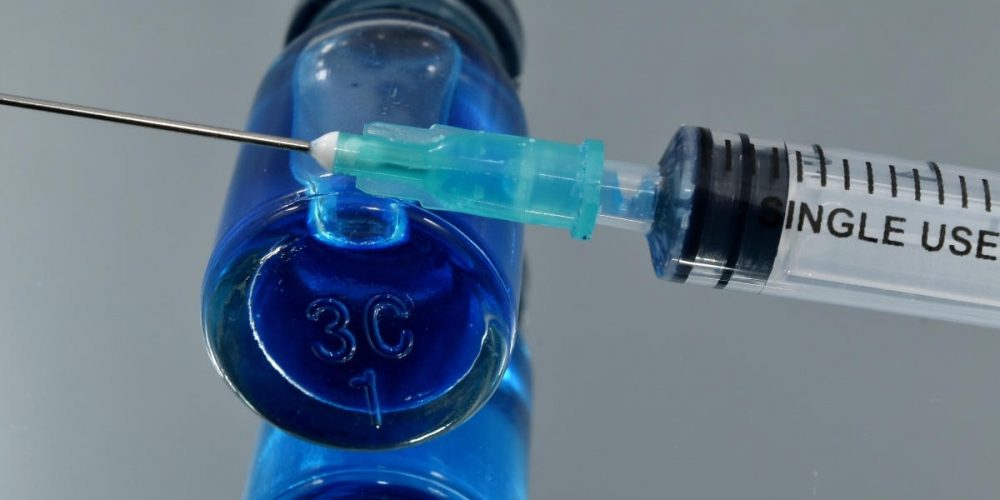
 

Συγκεχυμένες κατευθυντήριες οδηγίες του Κέντρου Ελέγχου Νοσημάτων των ΗΠΑ (CDC) για τα εμβόλια mRNA έναντι του SARS-CoV-2

Κατευθυντήριες οδηγίες του Κέντρου Ελέγχου Νοσημάτων των ΗΠΑ για τα εμβόλια mRNA έναντι του SARS-CoV-2

Νέες οδηγίες εκδόθηκαν από το Κέντρο Ελέγχου Νοσημάτων των ΗΠΑ, σχετικά με τα εμβόλια.

Οι Ιατροί της Θεραπευτικής Κλινικής της Ιατρικής Σχολής του Εθνικού και Καποδιστριακού Πανεπιστημίου Αθηνών, Θεοδώρα Ψαλτοπούλου, Ιωάννης Ντάνασης, Μαρία Γαβριατοπούλου και Θάνος Δημόπουλος (Πρύτανης ΕΚΠΑ) (https://mdimop.gr/covid19/)  συνοψίζουν τις αναθεωρημένες οδηγίες του Κέντρου Ελέγχου Νοσημάτων των ΗΠΑ (CDC).

Ηλικιακές κατηγορίες

Pfizer-BioNTech: ηλικίες 16 ετών και άνω

Moderna: ηλικίες 18 ετών και άνω

Χορήγηση

Pfizer-BioNTech (30μg, 0.3ml): μεσοδιάστημα 3 εβδομάδων

Moderna (100μg, 0.5ml): μεσοδιάστημα 1 μήνα

Δεν πρέπει οι εμβολιασθέντες να λαμβάνουν τη 2η δόση πάνω από 4 ημέρες νωρίτερα από το προβλεπόμενο

Η δεύτερη δόση πρέπει να χορηγείται όσο το δυνατό εγγύτερα στο προβλεπόμενο χρονοδιάγραμμα.

Εάν υπάρξει καθυστέρηση στη χορήγηση της δεύτερης δόσης, τότε αυτή μπορεί να χορηγηθεί έως και 6 εβδομάδες μετά την πρώτη δόση.

Υπάρχουν προς το παρόν περιορισμένα δεδομένα σχετικά με την αποτελεσματικότητα του εμβολιασμού πέρα από αυτό το χρονικό πλαίσιο.

Ιδανικά, ο κάθε εμβολιασμένος θα πρέπει να λαμβάνει δύο δόσεις από το ίδιο εμβόλιο.

Δεν υπάρχουν διαθέσιμα δεδομένα σχετικά με την αποτελεσματικότητα και την ασφάλεια της συγχορήγησης των εμβολίων mRNAέναντι του SARS-CoV-2 με άλλα εμβόλια.

Συστήνεται ένα ελάχιστο διάστημα 14 ημερών πριν και μετά τη χορήγηση ενός άλλου εμβολίου για τη χορήγηση εμβολίων mRNAέναντι του SARS-CoV-2.

Ωστόσο, σε έκτακτες καταστάσεις όπου το προσδοκώμενο όφελος αναμένεται να είναι μεγαλύτερο από τους κινδύνους, όπως στην περίπτωση αντιτετανικού εμβολίου μετά από τραυματισμό, τότε θα πρέπει να συγχορηγούνται ακόμα και σε μικρότερα μεσοδιαστήματα.

Επί του παρόντος, δεν συστήνονται επιπλέον αναμνηστικές εμβολιαστικές δόσεις.

–Δεν συστήνεται η προφυλακτική χορήγηση αντισταμινικών πριν τον εμβολιασμό για πρόληψη αλλεργικών αντιδράσεων.

–Δε συστήνεται η προφυλακτική χορήγηση αντιπυρετικών ή παυσίπονων για την πρόληψη των αντιδράσεων μετά τον εμβολιασμό.

Εμβολιασμός ατόμων με λοίμωξη COVID-19 ή έκθεση στον SARS-CoV-2

Άτομα με ενεργό ή ιαθείσα λοίμωξη COVID-19:

Οι ιαθέντες από συμπτωματική ή ασυμπτωματική λοίμωξη COVID-19 πρέπει να εμβολιαστούν έναντι του SARS-CoV-2.

Δεν συστήνεται έλεγχος με PCR πριν τον εμβολιασμό.

Ασθενείς με ενεργό λοίμωξη COVID-19 δεν θα πρέπει να εμβολιαστούν έως ότου αναρρώσουν από την οξεία φάση της λοίμωξης.

Το ίδιο ισχύει και για όσους έχουν λάβει την πρώτη δόση αλλά όχι τη δεύτερη δόση του εμβολίου.

Παρόλο που δεν υπάρχει σύσταση σχετικά με το ελάχιστο διάστημα μεταξύ λοίμωξης και εμβολιασμού, ο κίνδυνος επαναλοίμωξης θεωρείται χαμηλός στους επόμενους μήνες μετά τη λοίμωξη COVID-19 αλλά μπορεί να αυξηθεί με το χρόνο καθώς φθίνει η ανοσία.

Για όσους έχουν εμβολιασθεί και νοσήσουν από COVID-19, οι θεραπευτικές αποφάσεις δεν θα πρέπει να επηρεάζονται από τον προηγούμενο εμβολιασμό.

Άτομα που έχουν λάβει θεραπεία με πλάσμα αναρρώσαντων από COVID-19:

Προς το παρόν δεν υπάρχουν στοιχεία σχετικά με την αποτελεσματικότητα και την ασφάλεια των εμβολίων mRNAσε όσους έχουν λάβει μονοκλωνικά αντισώματα ή πλάσμα αναρρώσαντων από COVID-19.

Λαμβάνοντας υπόψη το χρόνο ημίσειας ζωής αυτών των θεραπειών και ότι η επαναλοίμωξη είναι ασυνήθης εντός των πρώτων 90 ημερών από την αρχική λοίμωξη, ο εμβολιασμός συστήνεται μετά το πέρας των 90 ημερών.

Εμβολιασμός ατόμων με συνυπάρχουσες παθήσεις

Οι αντενδείξεις του εμβολιασμού αφορούν ατομικό ιστορικό σοβαρών αλλεργικών αντιδράσεων αναφυλαξίας, ενώ άτομα με συνυπάρχουσες παθήσεις μπορούν να εμβολιαστούν κανονικά.

Οι ανοσοκατεσταλμένοι ασθενείς λόγω υποκείμενων νοσημάτων (HIV, κακοήθειες, ανοσοανεπάρκειες) ή λόγω ανοσοκατασταλτικής αγωγής μπορεί να έχουν αυξημένο κίνδυνο σοβαρής λοίμωξης COVID-19.

Συστήνεται ο εμβολιασμός με τα εμβόλια mRNA έναντι του SARS-CoV-2 σε ανοσοκατεσταλμένους ασθενείς, σε ασθενείς με αυτοάνοσα νοσήματα, ιστορικό συνδρόμου Guillain-Barre, παράλυσης τύπου Bell.

Εμβολιασμός ειδικών κατηγοριών

Άτομα με δερματικά προθέματα: Η παρουσία δερματικών προθεμάτων δεν αποτελεί αντένδειξη για τον εμβολιασμό.

Σπάνια εμφανίζονται παρενέργειες αλλά αυτές είναι παροδικές και αντιμετωπίζονται με χρήση κορτικοστεροειδών και στενή ιατρική παρακολούθηση.

Έγκυες και θηλάζουσες γυναίκες:

Υπάρχουν περιορισμένα δεδομένα σχετικά με την αποτελεσματικότητα και την ασφάλεια του εμβολιασμού στις έγκυες γυναίκες.

Ωστόσο, και με δεδομένο ότι τα εμβόλια mRNA δεν περιέχουν ζώντα ιό, δεν αναμένονται ιδιαίτεροι κίνδυνοι από τον εμβολιασμό τόσο για τη μητέρα όσο και για το έμβρυο.

Τα οφέλη από τον εμβολιασμό αναμένεται να είναι περισσότερα από τους κινδύνους.

Οι έγκυες μπορούν να συζητούν με το θεράποντα ιατρό ώστε να αποφασίζουν σχετικά με τον εμβολιασμό με βάση τον κίνδυνο λοίμωξης COVID-19 (πχ υγειονομικό προσωπικό), τον κίνδυνο σοβαρής λοίμωξης COVID-19 (συνυπάρχουσες παθήσεις), την αναμενόμενη αποτελεσματικότητα και τους πιθανούς κινδύνους από το εμβόλιο και τα διαθέσιμα επιστημονικά δεδομένα.

Το ίδιο ισχύει και για τις θηλάζουσες γυναίκες, καθώς τα εμβόλια mRNA δεν θεωρείται ότι θέτουν κινδύνους για το νεογνό.

Αντενδείξεις

  • Σοβαρή αλλεργική αντίδραση (αναφυλαξία) μετά από προηγούμενη δόση εμβολίου mRNA
  • Άμεση αλλεργική αντίδραση μετά από προηγούμενη δόση εμβολίου mRNA ή μετά από επαφή σε κάποιο συστατικό του εμβολίου όπως η πολυ-αιθυλενο-γλυκόλη.
  • Άμεση αλλεργική αντίδραση στην πολυ-σορβάτη.

Αυτά τα άτομα δεν θα πρέπει να λάβουν εμβόλιο mRNAεκτός αν εκτιμηθούν από αλλεργιολόγο-ανοσολόγοκαι κρίνει ότι μπορεί να προχωρήσουν στον εμβολιασμό υπό ιατρική παρακολούθηση.

Συστάσεις δημόσιας υγεία για τους εμβολιασθέντες

Οι εμβολιασθέντες πρέπει να συνεχίσουν να ακολουθούν τα μέτρα πρόληψης της διασποράς του SARS-CoV-2 (μάσκα προσώπου, τήρηση αποστάσεων 2 μέτρων, αποφυγή συνωστισμού, τήρηση μέτρων ατομικής υγιεινής) για να προστατεύουν τους εαυτούς τους και τους γύρω τους.

Οι εμβολιασθέντες που έχουν εκτεθεί σε πιθανό ή επιβεβαιωμένο κρούσμα COVID-19 δεν χρειάζεται να τεθούν σε καραντίνα εάν πληρούν τα ακόλουθα κριτήρια

  1. Είναι πλήρως εμβολιασμένοι και έχουν παρέλθει τουλάχιστον 2 εβδομάδες από τη δεύτερη εμβολιαστική δόση ή από την πρώτη δόση για μονο-δοσιακά εμβόλια
  2. Δεν έχουν παρέλθει πάνω από 3 μήνες από τη χορήγηση της τελευταίας δόσης του εμβολίου
  3. Παραμένουν ασυμπτωματικοί

Τα άτομα που δεν πληρούν και τα 3 κριτήρια θα πρέπει να συνεχίζουν να ακολουθούν τις συστάσεις απομόνωσης μετά την έκθεση σε πιθανό ή επιβεβαιωμένο κρούσμα COVID-19.

Παρόλο που δεν είναι γνωστός ο κίνδυνος μετάδοσης του SARS-CoV-2 από εμβολιασθέντες, ο εμβολιασμός προστατεύει από συμπτωματική λοίμωξη COVID-19 και τον κυριότερο ρόλο στη μετάδοση του SARS-CoV-2 φαίνεται να τον έχει η συμπτωματική και η προ-συμπτωματική μετάδοση συγκριτικά με την ασυμπτωματική μετάδοση.

Το CDC θεωρεί ότι τα ατομικά και κοινωνικά οφέλη αποφυγής της μη απαραίτητης καραντίνας υπερνικούν το θεωρητικό κίνδυνο ασυμπτωματικής μετάδοσης.

Εξαίρεση στον ανωτέρω κανόνα αποτελούν οι νοσηλευόμενοι και οι ένοικοι μονάδων μακροχρόνιας περίθαλψης, οι οποίοι θα πρέπει να ακολουθούν τις οδηγίες καραντίνας μετά την έκθεση σε πιθανό ή επιβεβαιωμένο κρούσμα.

Πηγή:https://www.ygeiamasnews.gr/astheneies/epidimies/44556/kateythyntiries-odigies-tou-kentrou-elegxou-nosimaton-ton-ipa-gia-ta-emvolia-mrna-enanti-tou-sars-cov-2/

Κορωνοϊός: Τριπλάσιο το ποσοστό θνητότητας σε σχέση με την εποχική γρίπη

Κορωνοϊός: Τριπλάσιο το ποσοστό θνητότητας σε σχέση με την εποχική γρίπη

Μια νέα μελέτη που δημοσιεύθηκε στο περιοδικό Canadian Medical Association Journal διαπίστωσε ότι ο κίνδυνος θανάτου από το COVID-19 είναι πολύ πιο σοβαρός από την εποχική γρίπη.

Οι ασθενείς που εισήχθησαν στο νοσοκομείο στο Οντάριο του Καναδά με COVID-19, είχαν 3,5 φορές μεγαλύτερο κίνδυνο θανάτου, 1,5 φορές μεγαλύτερη ανάγκη χρήσης ΜΕΘ και 1,5 φορές μεγαλύτερη διάρκεια παραμονής στο νοσοκομείο από τους ασθενείς που είχαν εισαχθεί με γρίπη.

Τα ευρήματα αυτά,  είναι παρόμοια με τα αποτελέσματα μελέτης από τη Γαλλία και τις Ηνωμένες Πολιτείες.

ΠΗΓΗ:https://www.ygeiamasnews.gr/astheneies/epidimies/44511/koronoios-triplasio-to-pososto-thnitotitas-se-sxesi-me-tin-epoxiki-gripi/

Προς χαρά και αγαλλίαση της ΝΔ οι Έλληνες εξακολουθούν ακόμη να κοιμούνται παρ’ όλες τις σφαλιάρες που τρώνε. Γι’ αυτό θα φάνε κι άλλες!

Έκτακτη σύσκεψη στο Μαξίμου υπό τον υπουργό Επικρατείας Γιώργο Γεραπετρίτη πραγματοποιείται από τις 17:00 το απόγευμα με αντικείμενο τον σχεδιασμό νέων μέτρων καταστολής και την αύξηση της αστυνόμευσης, καθώς ανησυχούν ότι μπορούν να υπάρξουν εξεγέρσεις, μικρότερες ή μεγαλύτερες, ανάλογα με την περιοχή και την οργάνωση των εξεγερμένων κατά του νέου lockdown.

Μέχρι στιγμής η Ελλάδα είναι η «φωτεινή» ή «σκοτεινή», όπως το πάρει ο καθένας, εξαίρεση της Ευρώπης καθώς είναι το μοναδικό κράτος που δεν έχουν υπάρξει μικρότερες ή μεγαλύτερες λαϊκές εξεγέρσεις κατά των μέτρων καταστολής και περιορισμού των δημοκρατικών ελευθεριών με την επίκληση της ανάγκης «περιορισμού διάδοσης του κορωνοϊού».

Είναι γεγονός ότι η χώρα όταν την κτύπησε η πανδημία, βρισκόταν σε φάση ανάρρωσης από τα δέκα χρόνια των Μνημονίων, ενώ μετά το 2015 και την ήττα που υπέστη το λαϊκό κίνημα όταν το δημοψήφισμα με 62% να ψηφίζει πρακτικά υπέρ της αποχώρησης από την ευρωζώνη ή και από την ΕΕ ανατράπηκε και υπεγράφη νέο Μνημόνιο από την κυβέρνηση του ΣΥΡΙΖΑ με την στήριξη της ΝΔ και του ΚΙΝΑΛ-ΠΑΣΟΚ, δεν υπήρξε κανενός είδους έντονη διαμαρτυρία των πολιτών.

Είναι σαν να είναι ακόμα «ζαλισμένοι» οι Έλληνες από την «σφαλιάρα» του 2015, ενώ είναι γεγονός ότι τα φιλοκυβερνητικά ΜΜΕ στα οποία κυριαρχούν τα έξι μεγάλα κανάλια και τα τρία κυβερνητικά ελέγχουν ασφυκτικά την ενημέρωση σε επίπεδο που συγκρίνεται μόνο με τις περιόδους 1967-1974 και 1981-1989, ανεξάρτητα από την ποιότητα και το είδος της διακυβέρνησης της χώρας.

Αλλά πλέον η κυβέρνηση λαμβάνει «σήματα» ότι πλησιάζει στο σημείο «τήξης» η ανοχή των πολιτών και αυτό καταγράφεται κυρίως στα social media, όπου οι μέχρι χθες υπάκουοι πολίτες έχουν «εξεγερθεί».

Με φόντο την σφοδρή πιθανότητα διεξαγωγής εκλογών μεταξύ Μαΐου και Σεπτεμβρίου, ο έλεγχος των μαζών αποκτά κρίσιμο στοίχημα για την κυβέρνηση που είδε σε μία περίπτωση που «ξέφυγε» η κατάσταση, όπως συνέβη στην Ικαρία, να το πληρώνουν ακριβά σε επικοινωνιακό επίπεδο

Στην Μακεδονία, δύσκολα θα κάνουν προεκλογική εκστρατεία οι κυβερνητικοί λόγω Σκοπιανού και παράνομης μετανάστευσης.

Μην ξεχνάμε τις εξεγέρσεις σε Λέσβο και Χίο πέρσι τέτοια εποχή που τα νησιά ουσιαστικά κήρυξαν «αυτονομία» από την Αθήνα και η «επαναφορά» στον κυβερνητικό έλεγχο έγινε μόνο μετά τα γεγονότα στον Έβρο, που κατά κάποιο τρόπο έβγαλε από το αδιέξοδο την κυβέρνηση.

Ο Έβρος, τα νησιά του Ανατολικού Αιγαίου, λαϊκές περιοχές της Αθήνας και η Μακεδονία είναι οι περιοχές που αντιμετωπίζει μεγαλύτερο πρόβλημα η ΝΔ αυτή την στιγμή. 

Ποιος θα μπορούσε να συμμετάσχει σε μία τέτοια εξέγερση; Καλώς ή κακώς οι δυνάμεις της Αριστεράς και της άκρας Αριστεράς είναι οι μοναδικές «ανέπαφες» από την «εκκαθάριση» των αντιδρώντων των πρώτων ετών των Μνημονίων καθώς οι «σκληροπυρηνικές» δυνάμεις της εθνικιστικής δεξιάς, διαλύθηκαν με την υπόθεση της Χρυσής Αυγής και την γενικότερη στοχοποίηση της «σκληρής» δεξιάς.

Στη σύσκεψη θα συμμετέχουν ο Υπουργός Προστασίας του Πολίτη, Μιχάλης Χρυσοχοΐδης, η Γενική Γραμματέας Ανθρώπινου Δυναμικού Δημοσίου Τομέα του Υπουργείου Εσωτερικών, Βιβή Χαραλαμπογιάννη, η Γενική Γραμματέα Εργασίας του Υπουργείου Εργασίας και Κοινωνικών Υποθέσεων, Άννα Στρατινάκη, καθώς και ο Διοικητής της Εθνικής Αρχής Διαφάνειας, Άγγελος Μπίνης.

Μια παράλυση τύπου Guillain Barre; Ε, δεν είναι και τίποτα μπρος σε 400.000 εμβολιασθέντες. Ήταν η τυχερή που το έπαθε.

Το θέμα έφτασε μέχρι και το Μαξίμου.

Προκαταρκτική εξέταση διατάχθηκε από την Εισαγγελία Πρωτοδικών της Αθήνα σχετικά με τη δήλωση του προέδρου της ΠΟΕΔΗΝ, Μιχάλη Γιαννάκου, για την περίπτωση 40χρονης νοσηλεύτριας, η οποία αφού έκανε τη δεύτερη δόση του εμβολίου κατά του κορoνοιού, παρέλυσαν τα κάτω άκρα της.

Στο πλαίσιο της προκαταρκτικής εξέτασης θα εξεταστεί εάν έχει τελεστεί το αδίκημα της διασποράς ψευδών ειδήσεων, αφού πριν αποφανθούν οι γιατροί ο κ. Γιαννάκος, δήλωσε βέβαιος πως η παράλυση της γυναίκας αποτελεί παρενέργεια του εμβολίου.

Ο κ. Γιαννάκος επισήμανε ότι η νοσηλεύτρια ήταν απολύτως καλά στην υγεία της.

Ο ίδιος είχε τονίσει χαρακτηριστικά:

«Έχω πλήρη συναίσθηση των λεγομένων μου. Το λένε και οι γιατροί εκεί, ότι είναι παρενέργεια του εμβολίου. Είναι μια στις 400.000, δεν λέει τίποτα απολύτως αυτό για τον εμβολιασμό, δεν λέμε τίποτα κακό για το εμβόλιο, αντιθέτως, αλλά η συνάδελφος είναι σε αναπηρικό καροτσάκι και δεν μπορεί να σηκωθεί κι έχει τρομοκρατηθεί».

«Η νοσηλεύτρια αυτή τη στιγμή δεν περπατά, παρακολουθείται από τον θεράποντα ιατρό, είναι μια σοβαρή παρενέργεια του εμβολίου και πρέπει η εταιρεία να το δει με τους αρμόδιους και να αναλάβει το οικονομικό κόστος», δήλωσε από την πλευρά της πρόεδρος εργαζομένων Νοσοκομείου Κέρκυρας Ν. Ιωάννου.

Το θέμα με την 40χρονη νοσηλεύτρια έχει σοκάρει το πανελλήνιο από το πρωί, με το θέμα να φτάνει από τα πρώτα λεπτά στα αυτιά τόσο του Υπουργού Υγείας, Βασίλη Κικίλια, όσο και του πρωθυπουργού, Κυριάκου Μητσοτάκη.

Σ.γ.: Προσέξτε τη προσπάθεια των πληρωμένων αδρά δημοσιογράφων προπαγανδιστών, να αποδώσουν σε προηγούμενη αυτοάνοσο ασθένεια ή σε κάποιο άλλο αίτιο ενώ ο Γιαννάκος επιμένει προς απογοήτευσή τους. Ο δε εισαγγελέας εσπευσμένα κρεμάει την Δαμόκλειο Σπάθη πάνω από τον Γιαννάκο ώστε να μην τολμήσει άλλος κανείς να μιλήσει για παρενέργειες του εμβολίου και τρομάξει τα φιμωμένα πρόβατα…

el.gr

ΑΝΑΦΟΡΑ-ΚΑΤΑΓΓΕΛΙΑ Του Δρ. Δημητρίου Αντωνίου PhD, FRCS, Χειρουργού προς τον Πρωθυπουργό

ΑΝΑΦΟΡΑ-ΚΑΤΑΓΓΕΛΙΑ

Του Δρ. Δημητρίου Αντωνίου PhD, FRCS, Χειρουργού

Δ/νση: Οδός Δημ. Βώκου 6, Χαλκίδα ΤΚ 34132- ΕΛΛΑΔΑ- GREECE

τηλ.22210-62743,  e-mail: dr.dim.antoniou@gmail.com www.zoidosia.blogspot.com

1) Αξιότιμον Κον Πρωθυπουργόν

Κυριάκο Μητσοτάκη

primeminister@primeminister.gr

2) Υπουργόν Υγείας

Αριστοτέλους 17, Τ.Κ. 10187, Αθήνα

Υπουργός Υγείας και Δ/ντής Δημόσιας Υγείας

minister@moh.gov.gr secretary.gen.dy@moh.gov.gr

ΘΕΜΑ: Οι μεταλλάξεις του κορονοιού προκαλούνται (εξελικτικά) από το Εμβόλιο της PFIZER !

Αξιότιμε Κε Πρωθυπουργέ και Κε Υπουργέ

Ξέρω ότι θα με αγνοήσετε. Δεν με πειράζει. Εγώ κάνω το καθήκον μου απέναντι στην συνείδησή μου και την ιστορία και θα δικαιωθώ ακόμα μια φορά. Σας καταθέτω λοιπόν, για ιστορικούς λόγους, ότι οι μεταλλάξεις των στελεχών (B1.1.7/501Y.V1), (501Y.V2) (B1.1.28/501.V3)  του κορονοιού SARS-Cov-2 (Covid-19) στην Αγγλία, Ν. Αφρική και Βραζιλία αντίστοιχα,  ΠΡΟΚΑΛΟΥΝΤΑΙαπό το εμβόλιο BNT162b2 με την εμπορική ονομασία Comirnaty των Pfizer/BionTech  (που είναι «γενετικά τροποποιημένος οργανισμός»), σύμφωνα με την συγκλονιστική μελέτη του Παν/μίου Ροκφέλλερ και Βηθεσδά των ΗΠΑ που δημοσιεύτηκε την 26-01-2021, της οποίας επικφαλής είναι η Κα Θεοδώρα Χατζηιωάννου.

Εδώ η πειραματική αυτή μελέτη:
mRNA vaccine-elicited antibodies to SARS-CoV-2 and circulating variants

https://www.biorxiv.org/content/10.1101/2021.01.15.426911v1.full

https://www.biorxiv.org/content/10.1101/2021.01.15.426911v1 (abstract)

EXTRACTS:

“…However, neutralization by 14 of the 17 most potent mAbs tested was reduced or abolished by either K417N, or E484K, or N501Y mutations. Notably, the same mutations were selected when recombinant vesicular stomatitis virus (rVSV)/SARS-CoV-2 S was cultured in the presence of the vaccine elicited mAbs…”.

“Nevertheless, emergence of these particular variants is consistent with the dominance of the class 1 and 2 antibody response in infected or vaccinated individuals and raises the possibility that they emerged in response to immune selection in individuals with non-sterilizing immunity”.

Fig.3 της μελέτης. Βλέπε και τα παρακάτω σχόλια της μελέτης για την φωτό αυτή.

To determine whether antibody-imposed selection pressure could also drive the emergence of resistance mutations in vitro, we cultured an rVSV/SARS-CoV-2 recombinant virus in the presence of each of 18 neutralizing monoclonal antibodies. All of the tested antibodies selected for RBD mutations. Moreover, in all cases the selected mutations corresponded to residues in the binding sites of their presumptive antibody class (Fig. 3b and c). For example, antibody 627, which was assigned to class 2 based on sensitivity to E484K mutation, selected for the emergence of the E484K mutation in vitro (Fig 3c). Notably, 6 of the antibodies selected for K417N E or T, 5 selected for E484K and 3 selected for N501Y, T or H, which coincide with mutations present in the circulating B1.1.17, 501Y.V2 and B1.1.28/501.V3 variants that have been associated with rapidly increasing case numbers in particular locales12,15,17,28.

Αναλυτικά: Τα αντισώματα που βγάζουν οι εμβολιασθέντες με το παραπάνω εμβόλιο, αντί να «σκοτώσουν» τον φυσικό κορονοιό στην περίπτωση που ο εμβολιασθείς μολυνθεί με αυτόν μετά το εμβολιασμό του, τον μεταλλάσσουν  καθιστώντας τον (τον φυσικό κορονοιό) ανθεκτικό στα αντισώματα αυτά. Μάλιστα, οι προκαλούμενες μεταλλάξεις δεν είναι τυχαίες, αλλά μετατρέπουν τον φυσικό κορονοιό στις προαναφερόμενες μεταλλάξεις που εμφανίστηκαν στην Αγγλία, Ν. Αφρική και Βραζιλία (κι είναι περισσότερο μεταδοτικές και θανατηφόρες από τον ήδη υπάρχοντα).

Γι αυτό βρίσκετε «ορφανά» μεταλλαγμένα στελέχη και στην Ελλάδα και παντού.

Επειδή το θέμα άπτεται της δημόσιας υγείας και της ιστορίας, η επιστολή μου αυτή θα δημοσιευτεί.

Καλώ όλες τις αρμόδιες αρχές στις οποίες κοινοποιείται η παρούσα να λάβουν τα αναγκαία μέτρα για την προστασία της παγκόσμιας υγείας.

3) Γενική Γραμματεία Πολιτικής Προστασίας

Ευαγγελιστρίας 2, 105 63 Aθήνα

info@gscp.gr  kepp@gscp.gr

4) Εθνικός Οργανισμός Δημοσίας Υγείας

Αγράφων 3-5, Μαρούσι, Τ.Κ. 151-23

210 5212000, info@eody.gov.gr, press@eody.gov.gr

5) Ινστιτούτο Παστέρ

Λεωφ. Βασ. Σοφίας 127

11521 Αθήνα, sharalambous@pasteur.gr   mentis@pasteur.gr

6) The WHO Representative and Head of Country Office

Trias, Dr Jaana Marianna

3 Ploutarchou street, 3rd floor 10675 – Athens, Greece

Telephone: +30 210 5235480

7) WHO Regional Office for Europe
UN City, Marmorvej 51
DK-2100 Copenhagen Ø
Denmark, Tel.: +45 45 33 70 00
Fax: +45 45 33 70 01, eurowhogre@who.int

ΚΑΙ

1) ΕΙΣΑΓΓΕΛΕΑΝ ΤΟΥ ΑΡΕΙΟΥ ΠΑΓΟΥ

ΜΕΓΑΡΟΝ ΑΡΕΙΟΥ ΠΑΓΟΥ, ΑΘΗΝΑ

2) ΔΙΕΘΝΕΣ ΠΟΙΝΙΚΟ ΔΙΚΑΣΤΗΡΙΟ (ICC)

α) Bezuidenhoutseweg 12, 2594 AV Den Haag, Ολλανδία

β) Oude Waalsdorperweg 10, 2597 AK Den Haag, Ολλανδία

γ) Maanweg, 174, 2516 AB, The Hague

The Netherlands, Tel.: + 31 (0)70 515 8515

Fax: +31 (0)70 515 8555, E-mail: otp.informationdesk@icc-cpi.int

Fadi.El-Abdallah@icc-cpi.int

Μετά τιμής

Χαλκίδα 29-01-2021                 Δημ. Αντωνίου

ΟΣΟ ΕΠΕΚΤΕΙΝΟΝΤΑΙ ΟΙ ΕΜΒΟΛΙΑΣΜΟΙ ΤΟΣΟ ΘΑ ΑΥΞΑΝΟΝΤΑΙ ΤΑ ΜΕΤΑΛΛΑΓΜΕΝΑ ΣΤΕΛΕΧΗ ΤΟΥ ΙΟΥ. Ισχύει; Απαντείστε οι ειδήμονες ιολόγοι, μοριολόγοι ή απαξιείτε;

Ο γενικός χειρουργός – ογκολόγος Δημήτρης Αντωνίου. αποκαλύπτει μια σοκαριστική ερευνητική μελέτη δύο μεγάλων αμερικανικών πανεπιστημίων σύμφωνα με την οποία τα εμβόλια κατά τού κορωναϊού είναι παράγοντες που φτιάχνουν μεταλλάξεις του ιού και μάλιστα ίσως θανατηφόρες!

oimos-athina

Understanding the Antisemitic History of the “Hooked Nose” Stereotype

Even when it is a harmless drawing, the “hooked nose” is a harmful stereotype.

By Jewish article writer Jeremy Ullmann

Many people still believe that a large, hooked nose is just a physical feature of Jewish people. It is an image so deeply imbedded in modern culture, that most do not acknowledge that it is actually a deeply antisemitic stereotype.

It hasn’t always been this way. Before the 12th century, there is no evidence of Jews being depicted with large noses.  A 1911 study of 4,000 Jewish noses found no significant difference between the size and shape of Jewish noses as compared to those of the general population.

So, why is it that a large, hooked nose has become synonymous with Jewish people? It goes back to antisemitic and Nazi propaganda from the 1930s and since then has gone on to become a common trope—and, whether intentionally or not—pushes antisemitic stereotypes to this day.

“The hook nose stereotype is very much still alive, it might be old, but it’s far from being irrelevant”, a spokesperson for Amadeu Antonio Stiftung, an organisation which campaigns against far-right-wing parties, racism and anti-Semitism in German society, told Media Diversity Institute.

The clearest example of the stereotype winding its way across social media platforms on people’s personal feeds is through memes, and in particular, ‘The Happy Merchant’:

“The Happy Merchant meme is one of the most widely spread far-right and antisemitic memes that you see online,” the spokesperson continued, explaining that it was first seen in far-right fringe spaces online. In one iteration it caricatured feminist activist Anita Sarkeesian after she spoke out about sexist tropes in video games during #GamerGate. In another, following mainstream media sites using an image of presidential candidate Bernie Sanders rubbing his hands together, a Sanders Happy Merchant caricature made its rounds on social media, connecting the real life photograph to the antisemitic stereotype.

“Even during Corona it popped up, where the happy merchant’s head was replaced with a virus,” the Amadeu Antonio Stiftung spokesperson continued, pointing towards some of the ways that antisemitic propaganda has blamed Jews for the spread of the novel Coronavirus.

However, while the “Happy Merchant” meme has responded to current popular culture figures and news stories, it is rooted in traditional Nazi propaganda from the 1930s which used images of Jews with hooked noses and other undesirable characteristics to stir hatred and distrust of Jewish communities.

“Caricatures of Jews with grotesque features, and specifically with large noses, was ubiquitous in antisemitic propaganda deployed by Nazi Germany, but can also be found in the outpourings of a wide range of antisemitic regimes, organisations and ideologies,” said Community Security Trust Director of Policy Dr. Dave Rich, speaking to the way that these caricatures have worked as a propaganda tool over time.  

“It is a technique used to stir up a sense of disgust and repulsion towards Jews, either collectively or individually, and is often found alongside other antisemitic motifs involving money, power, conspiracy and blood.” like sacrificion of kids by Jewish people.

It is virtually impossible to find a single piece of propaganda from the time that does not feature an exaggeratedly large, grotesque, hooked nose when depicting Jews. As a viewer, it is easy to see how these strikingly evil and sub-human looking images stayed with those who saw them—subtly entrenching the association between Jews and large noses, using this “defining characteristic” to encourage people to identify, and discriminate against Jews.

As Nazi propagandist Julius Streicher wrote in the children’s book Der Giftpilz, which translates to The Poisonous Mushroom.

“One can most easily tell a Jew by his nose. The Jewish nose is bent at its point. It looks like the number six. We call it the ‘Jewish six.’ Many Gentiles also have bent noses. But their noses bend upwards, not downwards. Such a nose is a hook nose or an eagle nose. It is not at all like a Jewish nose.”

Though the Nazis did not create the myth of the Jewish nose (the antisemitic connection goes back as far as the 13th Century), they played a vital role in making it mainstream. Not even three years after the end of World War II, a Hollywood adaption of Charles Dicken’s Oliver Twist had actor Alec Guinness wearing heavy make-up including a large prosthetic nose to portray Fagin, the leader of a London-based pickpocket group. The film caused much controversy, with many people complaining that Guinness’ portrayal perpetuated the same antisemitic Jewish stereotypes pushed by the Nazis.

Despite this criticism, the “Jewish nose” stereotype persisted—becoming an image that was both seen as distinctly Jewish, and distinctly negative, particularly in entertainment circles. Many Jewish actresses throughout the 1900s opted to surgically alter their nose, a process some surgeons suggested was to ‘promote patient well-being’, normally as a means to ‘advance in social and business circles’, or simply, to be considered attractive enough to land a television role.

The legendary singer and actress Barbara Streisand became one of the highest profiled Jewish celebrities to refuse a nose-job, even after severe media pressure to do so. She told Playboy Magazine in 1977:

“When I was young, everyone would say, “You gonna have your nose done?” It was like a fad, all the Jewish girls having their noses done every week, […] taking perfectly good noses and whittling them down to nothing. The first thing someone would have done would be to cut my bump off. But I love my bump, I wouldn’t cut my bump off.”

But even when the negative association of the Jewish faded from the limelight, it managed to still show up in popular culture. Rachel Green from Friends is Jewish, and one of the long-running gags of the show is how she was less attractive before she had a nose job.

Much less subtly, is the depiction of Goblins in the Harry Potter novels and movie adaptions—something that many advocates see as portraying them as hook-nosed, greedy bankers that can’t be trusted.

“I think it’s actually a good example of how these things don’t have to be conscious for them to be reproduced by people,” the Amadeus Antonio Stiftung spokesperson continues, acknowledging that it is unclear whether or not J.K. Rowling was aware of this connotation.

However, many Jews with large noses are now embracing them–reclaiming the feature used to caricature them to embrace their Jewish identity. Paul Solomons, cartoonist for the British paper Jewish News even defended his cartoons which featured Jews with large noses because he saw it as accurate feature: “Many Jews have big noses.  There, I said it.  And why shouldn’t I? I have a big nose. Many of my friends and family have big noses.  Big noses run in my family.”

Still, negative stereotypes persist—particularly online, where antisemitism has flourished over the past year. And while the hooked nose is but one antisemitic caricature of many, it is particularly pernicious in that it is assumed to be true—largely because its antisemitic history is not discussed nearly enough. So, as media companies remove shows from streaming sites that are seen as racially insensitive, will there be a reckoning when it comes to antisemitism as well? Without an understanding of its history, the hooked nose continues to spread negative stereotypes, and does little to combat discrimination. It is time for the media to start acknowledging this history and stop perpetuating the myth.

ΠΟΙΟΙ ΕΙΝΑΙ ΟΙ ΤΑΛΜΟΥΔΙΣΤΕΣ ΧΑΖΑΡΟ-ΙΟΥΔΑΙΟΙ ΠΟΥ ΚΥΒΕΡΝΟΥΝ ΤΗΝ ΑΝΘΡΩΠΟΤΗΤΑ ΣΗΜΕΡΑ ΚΑΙ Η ΣΧΕΣΗ ΤΟΥΣ ΜΕ ΤΟΥΣ ΕΒΡΑΙΟΥΣ


ΠΟΙΟΙ ΕΙΝΑΙ ΟΙ ΧΑΖΑΡΟΙ ΚΑΙ Η ΣΧΕΣΗ ΤΟΥΣ ΜΕ ΤΟΥΣ ΕΒΡΑΙΟΥΣ- Ι


« Η ΣΥΓΚΡΟΥΣΗ ΕΡΧΕΤΑΙ !!! ΠΡΕΠΕΙ ΝΑ ΕΤΟΙΜΑΣΤΟΥΜΕ!!

ΧΑΖΑΡΟΙ ΚΑΙ ΕΒΡΑΙΟΙ  Ι-ΙΙ »

                                 O Εβραίος Φαίηγκαν (Άλεκ Γκίνες) στον Όλιβερ Τουίστ του Κάρολου Ντίκενς

ΚΕΙΜΕΝΟ ΤΟΥ ΓΙΩΡΓΟΥ ΣΤΑΜΚΟΥ ΠΟΥ ΔΗΜΟΣΙΕΥΤΗΚΕ ΣΤΟ ΠΕΡΙΟΔΙΚΟ “ΤΡΙΤΟ ΜΑΤΙ” ΤΕΥΧΟΣ 34.

Ποιοι είναι οι σημερινοί Εβραίοι; Είναι κατευθείαν απόγονοι του Αβραάμ ή μήπως αποτελούν ένα συνοθύλευμα πληθυσμιακών ομάδων που εξιουδαΐστηκαν με το πέρασμα των αιώνων;
Η κατεστημένη άποψη υποστηρίζει πως όλοι οι Εβραίοι στον κόσμο είναι το ίδιο, μία και μοναδική «φυλή», την οποία και «επέλεξε ο Θεός». Στην πραγματικότητα όμως υπάρχουν στη Γη δύο ευδιάκριτες ομάδες Εβραίων. Οι Σεφαραδίτες Εβραίοι, που προέρχονται από τη Μέση Ανατολή, τη βόρεια Αφρική και την Ισπανία και οι Ασκενάζι Εβραίοι, που προέρχονται από την Ανατολική Ευρώπη. Οι Σεφαραδίτες, κατά κοινή παραδοχή, κατάγονται από τους αρχαίους Εβραίους, που περιγράφονται στη Βίβλο. Είναι σημιτικής καταγωγής και συνεπώς φυλετικά συγγενείς με τους Άραβες: η μόνη διαφορά τους είναι η θρησκεία. Αντίθετα οι Ασκενάζι Εβραίοι, που αποτελούν και το 90% των σημερινών Εβραίων, έχουν μυστηριώδη καταγωγή. Σύμφωνα με αρκετούς ιστορικούς οι Ασκενάζι Εβραίοι δεν υπήρχαν πριν από 1200 Χρόνια. Από πού λοιπόν εμφανίστηκαν;
Το μυστήριο της εμφάνισης των πολυάριθμων Ασκενάζι Εβραίων της Ανατολικής Ευρώπης ξεδιαλύθηκε, όταν οι ιστορικοί απέδωσαν την προέλευσή τους στον εξιουδαϊσμό των Χαζάρων, μιας Τουρκικής φυλής που ίδρυσε για αρκετούς αιώνες μια ισχυρή μεσαιωνική αυτοκρατορία μεταξύ Κασπίας και Μαύρης Θάλασσας. Οι Χαζάροι, όπως θα δούμε στη συνέχεια, δεν αποτελούν μονάχα τη «13η φυλή του Ισραήλ», αλλά και το 90% των σημερινών Εβραίων!

Η ΑΥΤΟΚΡΑΤΟΡΙΑ ΤΩΝ «ΟΝΕΙΡΟΚΥΝΗΓΩΝ»
Οι Χαζάροι, μια φυλή τουρανικής καταγωγής, ήρθαν σε αβέβαιους χρόνους από τις στέπες της Ανατολής κι εγκαταστάθηκαν ανάμεσα στην Κασπία και στη Μαύρη Θάλασσα. Οι ελληνικές πηγές τούς αποκαλούσαν και Χαέαρους αλλά και Χοτξίρους, ενώ οι Σλάβοι «Κοζάρους», δηλαδή «κατσικίσιους». Οι Άραβες τους αποκαλούσαν Χαζάρ, οι Εβραίοι Κουζάροι, οι Τούρκοι Σαμπίρ και οι Κινέζοι «Κ’ όσα». Το όνομά τους προερχόταν από το τουρανικό gazmak που σημαίνει «περιπλανιέμαι».
Εμφανίστηκαν στην περιοχή τον 5ο μ.Χ. αιώνα και δημιούργησαν μια αυτοκρατορία που εκτεινόταν από την Κριμαία μέχρι την Κασπία, την οποία οι Άραβες αποκαλούσαν «Θάλασσα των Χαζάρων». Ανάμεσα σ’ αυτές τις δύο θάλασσες οι Χαζάροι δημιούργησαν μια ισχυρή αυτοκρατορία με δύο πρωτεύουσες, τη Σαρκέλ και την Ιτίλ. Η θρησκεία τους ήταν άγνωστη και οι ιερείς της ήταν ταυτόχρονα και «κυνηγοί ονείρων». Οι Χαζάροι είχαν πολύ παράξενες δοξασίες. ‘Ενα από τα πράγματα που πίστευαν ήταν και η «ανταλλαγή της μοίρας». Σύμφωνα με τους χαζαρικούς θρύλους υπήρχε ένα μέρος στην Ιτίλ όπου δύο εντελώς άγνωστα μεταξύ τους άτομα, όταν περάσουν δίπλα ο ένας από τον άλλο, μπορούσαν να πάρουν αμοιβαία το όνομα και τη μοίρα του άλλου και να συνεχίσουν έτσι τη ζωή τους με αλλαγμένους ρόλους, σαν να έχουν αλλάξει ρούχα…
Τον 7ο μ.Χ. αιώνα ο Βυζαντινός αυτοκράτορας Ηράκλειος εκστράτευσε κατά της Περσίας, αφού προηγουμένως συμμάχησε με τους Χαζάρους. Μερικά χρόνια αργότερα, το 642 μ.Χ., οι Χαζάροι συνέτριψαν μια αραβική στρατιά στον Καύκασο κι από τότε έγιναν ο φόβος και ο τρόμος των Αράβων, που γι’ αυτόν το λόγο δεν, μπόρεσαν να προωθηθούν βόρεια. Ο δεύτερος αραβοχαζαρικός πόλεμος έγινε το 772 μ.Χ. και, σύμφωνα με, ισλαμικές πηγές, νίκησαν οι Άραβες αλλά όμως δεν μπόρεσαν να υποτάξουν τη Χαζαρία. Οι Χαζάροι πολέμησαν και εναντίον των Βουλγάρων, που βρισκόντουσαν στα βόρειά τους και τους νίκησαν. Η αυτοκρατορία των Χαζάρων παρέμεινε για τουλάχιστον δύο αιώνες, συνάπτοντας στενές οικονομικές και διπλωματικές σχέσεις με την Κωνσταντινούπολη. Οι σχέσεις των Χαζάρων με το Βυζάντιο ήταν σε γενικές γραμμές φιλικές, όπως δείχνει άλλωστε και το βασιλικό συνοικέσιο ανάμεσα στον συναυτοκράτορα Κωνσταντίνο και στην κόρη του Χαγάνου, αρχηγού των Χαζάρων, που έλαβε το Χριστιανικό όνομα Ειρήνη. Ο Ρώσος αρχαιολόγος Μ. Ι. Αrtamonov αναφέρει ότι για ενάμισι αιώνα οι Χαζάροι ήταν οι κυρίαρχοι του νότιου μισού της Ανατολικής Ευρώπης και αποτελούσαν ένα αδιαπέραστο φράγμα, που έκλεινε την πύλη εισόδου από την Ασία στην Ευρώπη. Κατά τη διάρκεια αυτής της περιόδου καμιά νομαδική φυλή από τις στέπες της Ασίας δεν μπόρεσε να περάσει στην Ευρώπη.
Σύμφωνα με τη Χαζαρική Πολεμική το 861 μ.Χ. ο Χαγάνος, ο αρχηγός των Χαζάρων, κάλεσε εκπροσώπους και των Τριών μονοθεΙστικών θρησκειών (Χριστιανό, Μωαμεθανό και Εβραίο) για να αποδείξουν ποια πίστη ήταν η πιο αληθινή, ώστε να την ασπαστούν και οι Χαζάροι, πολλοί εκ των οποίων είχαν αρχίσει ήδη να φλερτάρουν με το μονοθεΙσμό. Οι Βυζαντινοί έστειλαν τον Κωνσταντίνο τον φιλόσοφο, που έγινε γνωστός αργότερα ως Άγιος Κύριλλος. Αυτός αντιμετώπισε έναν Σαρακηνό σοφό κι έναν Εβραίο ραβίνο. Η έκβαση της Χαζαρικής Πολεμικής ήταν αβέβαιη, γεγονός που επέτρεψε στους εκπροσώπους της κάθε θρησκείας να υποστηρίξουν πως τελικά οι Χαζάροι επέλεξαν τη δική τους «εξ αποκαλύψεως αλήθεια».

ΧΑΖΑΡΟΙ: ΕΝΑ ΕΥΡΩΠΑΪΚΟ ΠΕΙΡΑΜΑ ΠΟΛΙΤΙΚΗΣ ΔΕΞΙΟΤΕΧΝΙΑΣ ΤΩΝ ΕΒΡΑΙΩΝ;
Σύμφωνα με τη διήγηση, όπως την παρουσιάζει η φαντασία του Σέρβου ακαδημαίκού και συγγραφέα Μίλοραντ Πάβιτς, ο αντιπρόσωπος των Χριστιανών, ο Κύριλλος, άρχισε να κερδίζει τον Χαγάνο με τα επιχειρήματά του: «Εμείς οι Έλληνες, δίνοντάς σας το σταυρό, δεν θα σας πάρουμε, όπως οι Σαρακηνοί ή οι Εβραίοι, τη λέξη σας σαν εγγύηση. Εμείς δεν ζητάμε να πάρετε με το σταυρό και την ελληνική μας γλώσσα. Αντίθετα, κρατήστε τη χαζαρική σας. Αλλά, προσέξτε, αυτό δεν θα συμβεί αν δεχθείτε τον Ιουδαϊσμό ή το νόμο του Μωάμεθ. Με την πίστη τους θα πρέπει να δεχθείτε και τη γλώσσα τους».
Ο Χαγάνος ήταν έτοιμος να δεχθεί το Χριστιανικό Θεό, αν δεν παρενέβαινε η πριγκίπισσα Ατέχ, που ήταν και ιέρεια του «κυνηγιού των ονείρων», της πρώην θρησκείας των Χαζάρων. Αυτή, σύμφωνα με την εβραϊκή εκδοχή, έδειχνε να προτιμά τον Ιουδαϊσμό, αφήνοντας τον Εβραίο ραβίνο να επιχειρηματολογήσει —πείθοντας τελικά τον Χαγάνο— ως εξής: «Από μας τους τρεις ερμηνευτές ονείρων εσείς οι Χαζάροι δεν έχετε λόγο να φοβάστε έμενα το ραβίνο. Γιατί πίσω από τον Εβραίο δεν κρύβεται ούτε Χαλίφης με τα πράσινα ιστιοφόρα του στόλου του, ούτε Έλληνας βασιλιάς με το σταυρό να οδηγεί τα στρατεύματα. Πίσω από τον Κωνσταντίνο της Θεσσαλονίκης έρχονται λόγχες και ιππικό, ενώ πίσω από μένα, τον Εβραίο ραβίνο, ράσα για παράκληση…».
Η επικρατέστερη εκδοχή θέλει την πλειονότητα των Χαζάρων να έχει προσηλυτιστεί στον ΙουδαΙσμό και όχι μόνον το ανώτερο στρώμα των ευγενών τους. Πιθανότατα τον 8ο μ.Χ. αιώνα (μεταξύ του 786-809 μ.Χ.) έλαβε χώρα ένα ισχυρό ρεύμα εξιουδαϊσμού του χαζαρικού βασιλείου. Τότε ο βασιλιάς Μπουλάν και 4.000 ευγενείς του, αποδέχτηκαν τον Ιουδαϊσμό ως επίσημη θρησκεία τους. Λέγεται πως ο πρίγκιπας Οbadiah έπαιξε ενεργό ρόλο στην προώθηση του εξιουδαϊσμού του λαού του. Αν και η μάζα του χαζαρικού πληθυσμού παρέμενε αμόρφωτη, νομαδική και παγανιστική, η αριστοκρατία είχε ήδη υιοθετήσει την ελληνιστική και βυζαντινή κουλτούρα καθώς και όλη την ιουδαϊκή παράδοση!
Ο βασικότερος λόγος του εξιουδαϊσμού των Χαζάρων δεν πρέπει να ήταν θρησκευτικός, αλλά πολιτικός. Βρισκόμενοι μεταξύ Χριστιανικού και ισλαμικού κόσμου οι Χαζάροι δεν είχαν παρά να επιλέξουν μια ουδέτερη στάση. Αν γινόντουσαν Χριστιανοί, οι Μουσουλμάνοι γείτονές τους Θα στρεφόντουσαν με μένος εναντίον τους. Αν γινόντουσαν Μουσουλμάνοι, οι Χριστιανοί δεν Θα τους άφηναν σε ησυχία. Για λόγους διπλωματίας φαίνεται πως επέλεξαν τη μέση λύση, να ασπαστούν τον Ιουδαϊσμό. Σ’ αυτό συγκλίνουν και οι Περισσότερες ιστορικές πηγές της εποχής. ‘Ενας μοναχός του 9ου αιώνα, ο Ντρούθμαρ της Ακουιτανίας, ο οποίος σχολίασε το Κατά Ματθαίον Ευαγγέλιο σε ένα έργο του αναφέρει ότι οι Γκαζάροι ή Χαζάροι κατοικούσαν «στη γη του Γκόγκ και Μαγκόγκ», δηλαδή σε ιουδαϊκές περιοχές! Οι θρύλοι και οι ιστορίες που έφτασαν στ’ αυτιά του Ακουιτανού μοναχού, ανάγονται από την εποχή του Μεγάλου Αλεξάνδρου, τον οποίο υποτίθεται πως οι Χαζάροι καταράστηκαν επειδή κατέκτησε τη γη τους. Κάποιοι άλλοι θρύλοι μάλιστα τους ήθελαν απόλυτα βαρβάρους και κανιβάλους.
Το 12ο αιώνα ο Κίνναμος ανέφερε πως οι Χαζάροι ζούσαν σύμφωνα με τους νόμους του Μωυσή. Το ίδιο αναφέρουν και αραβικές πηγές του 10ου αιώνα, ενώ την ίδια εποχή φαίνεται πως στην Παννονία (σημερινή Ουγγαρία) υπήρχε ένα κέντρο διάδοσης του Ιουδαϊσμού που αποδίδεται στους Χαζάρους, όπως δείχνει κι ένα νεκροταφείο με επτάφωτες λυχνίες που ανακαλύφθηκε. Σύμφωνα με τον ραβίνο Εliyahu της Βίλνα (Λιθουανία) «οι Χαζάροι ήταν ιεροί και αγνοί και φανατικοί στην εβραϊκή πίστη και στην Τοράχ». Ο Άραβας ιστορικός Ibn al-Faqih έγραφε πως «όλοι οι Χαζάροι είναι Εβραίοι». Τέλος, Ρώσοι αρχαιολόγοι μπόρεσαν το 1999 να ανακατασκευάσουν με επιτυχία ένα χαζαρικό αγγείο από την περιοχή του ποταμού Ντον, που στην επιφάνειά του έγραφε τη λέξη «Ισραήλ» στα εβραϊκά. Τα στοιχειά λοιπόν συγκλίνουν στην άποψη πως τελικά οι Χαζάροι ασπάστηκαν μαζικά τον Ισυδαϊσμό. Οι Χαζάροι φαίνεται πως πέρασαν στον Ιουδαϊσμό κατόπιν επιλογής της ηγεσίας τους και, όταν η αυτοκρατορία τους διαλύθηκε από τους Ρώσους, εκείνοι ακολούθησαν τη μοίρα των «περιπλανώμενων Ιουδαίων», κατευθυνόμενοι κυρίως στην Ανατολική Ευρώπη. Εκεί οι εξιουδαϊσμένοι Χαζάροι, αφού προηγουμένως αναμείχθηκαν με τους Σλάβους, συγχωνεύτηκαν με τους ελάχιστους Σεφαραδίτες Εβραίους που προϋπήρχαν, και δημιούργησαν τους Ασκενάζι Εβραίους, οι οποίοι μόνον στην Πολωνία το 1939, πριν δηλαδή οι Ναζί ξεκινήσουν την εξολόθρευσή τους, αριθμούσαν σχεδόν 4.500.000!

Η ΛΑΝΘΑΝΟΥΣΑ ΕΚΔΙΚΗΣΗ ΤΩΝ ΧΑΖΑΡΩΝ

Η εξέλιξη των Εβραίων στη Ρωσία παρουσιάζει λοιπόν ενδιαφέρον καθώς αυτοί, όπως προαναφέραμε, δεν είναι σημιτικής καταγωγής, αλλά τουρκικής και συγκεκριμένα απόγονοι των Χαζάρων, που μετά τον 8ο μ.Χ. αιώνα ασπάστηκαν βαθμιαία την ιουδαϊκή θρησκεία.
Όταν η αυτοκρατορία των Χαζάρων παράκμασε και καταλύθηκε από τους Ρώσους, οι εξιουδαϊσμένοι Χαζάροι εξαπλώθηκαν στη Ρωσία, στην Πολωνία και στις Βαλτικές Χώρες. Το 15ο αιώνα, στην επικράτεια του Ιβάν του Τρομερού, κι ενώ το θρησκευτικό συναίσθημα του λαού είχε εξασθενήσει, ζούσαν πολλοί Ιουδαίοι χαζαρικής καταγωγής. Πολλοί απ’ αυτούς ασπάστηκαν φαινομενικά το Χριστιανισμό, έγιναν κληρικοί κι ανέβηκαν στις βαθμίδες της ρωσικής εκκλησιαστικής ιεραρχίας. Με συνωμοτικό τρόπο προσπάθησαν ν’ αποβάλουν απ’ την ορθόδοξη πίστη του ρωσικού λαού ό,τι σχετιζόταν με την Αγία Τριάδα, την Ανάσταση και τη Θεία φύση του Ιησού. ‘Ετσι οι Ρώσοι, χωρίς να το αντιληφθούν, κινδύνευαν να γίνουν Εβραίοι προσήλυτοι. (Κάτι ανάλογο, δηλαδή απόπειρα απάλειψης βασικών Χριστιανικών δογμάτων, συνέβη και στην Ισπανία από ανώτερους ιερείς εβραϊκής καταγωγής.). Για να αποσοβηθεί αυτός ο κίνδυνος απαιτήθηκε σκληρός αγώνας εναντίον των Ταλμουδο-Ιουδαϊζόντων Ρώσων. Αποτέλεσμα αυτής της πρώτης αντι-εβραΙκής κάθαρσης ήταν να μην υπάρχουν σχεδόν καθόλου Εβραίοι στη Ρωσία μέχρι το 1 8ο αιώνα — μετακινήθηκαν δυτικότερα. Η τσαρική Ρωσία απέκτησε εκατομμύρια Εβραίους υπηκόους, όταν κατέλαβε το μεγαλύτερο τμήμα του βασιλείου της Πολωνίας. Στα δυτικά τμήματα της ρωσικής αυτοκρατορίας και ιδιαίτερα σε περιοχές όπου κατοικούσαν Καθολικοί, ζούσαν συμπαγείς εβραϊκοί πληθυσμοί περιορισμένοι όμως σε γκέτο. Οι Ρώσοι δυσπιστούσαν απέναντί τους και τους κατηγορούσαν για εξάσκηση «παρασιτικών» επαγγελμάτων και οικονομική καταπίεση (τοκογλυφία) των Χριστιανών. Προσπαθούσαν να τους διώξουν τρομοκρατώντας τους ή εξαπολύοντας περιστασιακά αντι-σημιτικά πογκρόμ. Στην εποχή των Τσάρων, Ορθόδοξος σήμαινε Ρώσος, Καθολικός σήμαινε Πολωνός και Λουθηριανός σήμαινε Γερμανός.
Στο ίδιο κλίμα εντασσόταν και η κατασκευή από τη μυστική υπηρεσία του Τσάρου, την Οχράνα, των περιβόητων Πρωτοκόλλων των Σοφών τη Σιών. Βέβαια, Οι Ρώσοι δεν ήθελαν να εξολοθρεύσουν τους Εβραίους, αλλά να τους αναγκάσουν σε μετανάστευση. Και αυτό συνέβη με τη μετανάστευση εκατοντάδων χιλιάδων Ρωσικής καταγωγής Εβραίων στις ΗΠΑ, τη νέα «Γη τη Επαγγελίας», όπου βρήκαν ένα φιλικό περιβάλλον κι εξαιτίας των βιβλικών τάσεων του Προτεσταντισμού.
Για να αποφύγουν λοιπόν τις τσαρικές διώξεις και κατόπιν τις ναζιστικές, πολλοί Εβραίοι της Κεντρικής και Ανατολικής Ευρώπης, δηλαδή Ασκενάζι —πρώην Χαζάροι—μετανάστευσαν κυρίως στις ΗΠΑ, όπου σήμερα ζουν 6.500.000 Εβραίοι οργανωμένοι σ’ ένα πανίσχυρο λόμπι. Την ίδια περίοδο άρχισε και η μετανάστευση προς την Παλαιστίνη, «αναιμική» στην αρχή και κατόπιν σε μορφή πλημμυρίδας. Υπολογίζεται πως η συντριπτική πλειοψηφία των σημερινών Εβραίων κατοίκων του Ισραήλ προέρχεται από την Ανατολική Ευρώπη και είναι απόγονοι τω εξιουδαϊσμένων Χαζάρων.

Η «ΔΙΚΤΑΤΟΡΙΑ» ΤΩΝ ΑΣΚΕΝΑΖΙ (ΠΡΩΗΝ ΧΑΖΑΡΩΝ) ΣΤΟ ΣΗΜΕΡΙΝΟ ΦΑΣΙΣΤΙΚΟ ΙΣΡΑΗΛ

Ο μύθος πως οι Εβραίοι είναι ο «εκλεκτός λαός» του Θεού, ξεκίνησε από μια μικρή ομάδα σιωνιστών που απομόνωσαν κάποια αποσπάσματα από τη Βίβλο και τα ερμήνευσαν με τέτοιο τρόπο ώστε να φαίνεται πως ο Θεός τους προόριζε για «εκλεκτό λαό».
Αλλά δεν είναι μόνον οι θρησκευόμενοι Εβραίοι (σχεδόν το 5% του πληθυσμού στο Ισραήλ) που πιστεύουν αυτό τον παραλογισμό. Ακόμη και οι αθεϊστές και οι μη θρησκευόμενοι Εβραίοι διεκδικούν αυτήν την τιμή. Αυτοί που λένε πρώτοι πως «είμαστε ο εκλεκτός λαός του Θεού» είναι οι σιωνιστές και συχνά φιλομαρξιστές (Ασκενάζι) Εβραίοι, οι οποίοι το κάνουν για πολιτικούς λόγους, καθώς δεν υπάρχει ούτε μία σταγόνα βιβλικού εβραϊκού αίματος μέσα τους.
Ιστορικά οι Πολωνοί και οι Ρώσοι Ασκενάζι Εβραίοι υποστήριξαν και προώθησαν τον Κομμουνισμό στις χώρες που τους φιλοξενούσαν. (Είναι σημαντικό να καταλάβουμε πως το σύστημα των Κιμπούτς που εφαρμόστηκε επιτυχημένα στο Ισραήλ είναι μια φιλομαρξιστική ιδέα, προερχόμενη από τους Ασκενάζι Εβραίους που μετανάστευσαν από την Πολωνία και τη Ρωσία.)
Στα τέλη του 19ου αιώνα μεγάλος αριθμός από αυτούς τους φιλοκομμουνιστές Εβραίους βρέθηκαν στη Γερμανία στα Βαλκάνια και σχεδόν σε όλη την Ευρώπη. Εξαιτίας της ανάμιξής τους στα πολιτικά ζητήματα στη Ρωσία, σι Ασκενάζι Εβραίοι έγιναν στόκος διώξεων από τους Τσάρους. Αυτές σι διώξεις και τα πογκρόμ ώθησαν αυτούς τους φιλοκομμουνιστές Εβραίους σε μετανάστευση. Κάποιοι πήγαν στην Παλαιστίνη. Κάποιοι στη Λατινική Αμερική. Ο κυριότερος ωστόσο όγκος των Ασκενάζι φιλοκομμουνιστών Εβραίων κατευθύνθηκε στις ΗΠΑ, όπου και υποστήριξε μαζικά το Δημοκρατικό Κόμμα. Ακόμη και σήμερα το 60% της χρηματοδότησης του Δημοκρατικού Κόμματος στις ΗΠΑ προέρχεται από εβραϊκές πηγές. Ποτέ στην ιστορία δεν υπήρξε Αμερικανός πρόεδρος σε τέτοιο βαθμό αιχμάλωτος των Εβραίων, όσο ο Μπιλ Κλίντον. Λέγεται μάλιστα πως το εβραϊκό λόμπι των ΗΠΑ συνετέλεσε στην ήττα του Τζορτζ Μπους του πρεσβύτερου..
Είναι γνωστό άλλωστε πως το Ισραήλ χειραγωγεί την αμερικανική εξωτερική πολιτική σύμφωνα με τα συμφέροντά του. Πριν το Ισραήλ γίνει κράτος το 1948, οι Εβραίοι ανά τον κόσμο, παρασύρθηκαν από τη σιωνιστική προπαγάνδα ότι το Ισραήλ θα μπορούσε να γίνει «πατρίδα» κι ένα καταφύγιο για όλους τους κατατρεγμένους Εβραίους, μια πραγματικά δημοκρατική χώρα και η εκπλήρωση των προφητειών της Βίβλου.
Από το 1967 μέχρι το 1970, σε μια περίοδο έξαρσης του εβραϊκού πατριωτικού αισθήματος, περίπου 50.000 Αμερικανοεβραίοι παρασύρθηκαν από τη σιωνιστική προπαγάνδα και μετανάστευσαν στη «Γη της Επαγγελίας», στο Ισραήλ. Από αυτούς το 80% επέστρεψαν μετανιωμένοι έπειτα από λίγα χρόνια στις ΗΠΑ.

Ο Jack Bernstein, ένας Αμερικανοεβραίος, που έκανε το λάθος να μεταναστεύσει στη «Γη της Επαγγελίας» καταγγέλλει το «ρατσιστικό φασιστο-μαρξιστικό» Ισραήλ, που κυβερνάται από τους πρώην Χαζάρους Ασκενάζι. Οι Σεφαραδίτες Εβραίοι είναι πολίτες δεύτερης κατηγορίας στο ρατσιστικό Ισραήλ.

Για παράδειγμα, τις πρώτες δεκαετίες από την ίδρυση του Ισραήλ υπήρξε σοβαρό πρόβλημα έλλειψης κατοικίας. Οι κατοικίες κατανέμονταν ως εξής: Πρωταρχικά δινόταν η δυνατότητα επιλογής στους Ασκενάζι Εβραίους που ζούσαν στο Ισραήλ για πολλά χρόνια. Τη δεύτερη επιλογή την είχαν οι Ασκενάζι Εβραίοι από την Ευρώπη, ειδικά εκείνοι που είχαν παντρευτεί Ασκενάζι από το Ισραήλ. Τρίτοι έρχονταν οι Ασκενάζι από τις ΗΠΑ. Μετά οι Σεφαραδίτες Εβραίοι και τέλος οι Μουσουλμάνοι Άραβες, οι Χριστιανοί και οι Δρούζοι…
Το σημερινό Ισραήλ φαίνεται πως έχει τρία πρόσωπα: το κομμουνιστικό, το φασιστικό και το δημοκρατικό. Οι Ασκενάζι Εβραίοι που μετανάστευσαν στο Ισραήλ από τη Ρωσία κουβάλησαν μαζί τους την κομμουνιστική ιδεολογία. Οι Εβραίοι που μετανάστευσαν στο Ισραήλ από τη Γερμανία συμπαθούν το Σοσιαλισμό, αλλά υιοθετούν και πρακτικές ναζιστικο-φασιστικού τύπου. Στη διάρκεια του Β’ Παγκόσμιου Πολέμου η ελίτ των Σιωνιστών Ασκε(Νάζι) Εβραίων συνεργάστηκε με τους Ναζί για να στείλουν σε στρατόπεδα συγκέντρωσης τους φτωχούς Εβραίους. Το Ισραήλ υποτίθεται πως είναι δημοκρατία. Ωστόσο δεν υπάρχουν ουσιαστικές διαφορές ανάμεσα στο δεξιό κόμμα Λικούντ και στο αριστερό εργατικό Κόμμα. Και οι Παλαιστίνιοι πληρώνουν τα σπασμένα…
Τίποτε στη συμπεριφορά των σημερινών Ισραηλιτών απέναντι στους Παλαιστινίους δε θυμίζει την ηθική ενός βιβλικού λαού, που οδηγήθηκε από τον Μωυσή μέσα από χίλιες δυσκολίες και, χάρη στην πίστη του στον Θεό, τελικά έφτασε στη Γη της Επαγγελίας. Ή μήπως δεν έγινε έτσι; Σύμφωνα με τον Σίγκμουντ Φρόιντ —που προκάλεσε έκπληξη σε πολλούς οπαδούς του— στο τελευταίο μεγάλο του έργο «Μωυσής και ΜονοθεΙσμός», υποστηρίζει ότι ο Μωυσής δεν ήταν Εβραίος, αλλά Αιγύπτιος ευγενής. Συγκεκριμένα άνηκε στο στενό περιβάλλον του αιρετικού Φαραώ Ακενατόν (ο μόνος Φαραώ που προσπάθησε να επιβάλει το μονοθεϊσμό στην πολυθεϊστική αρχαία Αίγυπτο) ο οποίος βασίλεψε στην Αίγυπτο από το 1377 ως το 1358 π.Χ.. Αμέσως μετά το θάνατο του Ακενατόν και την επιστροφή του αιγυπτιακού λαού στην πολυθεϊστική του παράδοση, ο Μωυσής έφυγε από την Αίγυπτο με τους οπαδούς του, οι οποίοι ήταν κυρίως Σημίτες κάτοικοι του Δέλτα του Νείλου. Μέσα στην έρημο του Σινά αυτοί σι άνθρωποι, συγκρουόμενοι με την πνευματική πειθαρχία του Μωυσή, τον δολοφόνησαν, και στη θέση του τοποθέτησαν έναν ιερέα του αραβικού Θεού των ηφαιστείων, του Γιάχβε. Με δυο λόγια ο Γιάχβε είναι εισαγόμενος θεός στους Εβραίους. Σύμφωνα με τον Φρόιντ η βιβλική θρησκεία έχει όλα τα χαρακτηριστικά της νεύρωσης, όπου το σκηνικό των μυθικών μορφών κρύβει μια καταπιεσμένη απόδειξη της ενοχής, που πρέπει να εξιλεωθεί επειδή δεν μπορεί να αντιμετωπιστεί συνειδητά. Άραγε έχει άδικο ένας θρησκευόμενος Εβραίος όταν λέει πως «κάποια εποχή οι Εβραίοι επιλέχθηκαν από τον Θεό για να γίνουν οι Αγγελιοφόροι του, αλλά, με τον καιρό, έχασαν αυτό το προνόμιο»;…

Read more: http://essetai-imar.blogspot.com/2010/10/blog-post_14.html#ixzz1UorTYbXu

ΧΑΖΑΡΟΙ ΚΑΙ ΕΒΡΑΙΟΙ-ΙΙ

« ΠΟΙΟΙ ΕΙΝΑΙ ΟΙ ΧΑΖΑΡΟΙ ΚΑΙ Η ΣΧΕΣΗ ΤΟΥΣ ΜΕ ΤΟΥΣ ΕΒΡΑΙΟΥΣ- Ι

ΔΕΝ ΚΑΛΕΣΑΝ ΟΙ ΕΛΛΗΝΕΣ ΤΟ “ΝΕΟ ΙΣΛΑΜ” ΣΤΗΝ ΕΛΛΑΔΑ-ΑΠΡΟΣΚΛΗΤΟ ΗΡΘΕ! »

ΑΝΑΔΗΜΟΣΙΕΥΣΗ ΑΠΟ ΤΟ ΜΠΛΟΓΚ “ΑΝΤΙΠΛΗΡΟΦΟΡΗΣΗ“

Ποιοι, και τί ήταν ακριβώς οι Χάζαροι.
Για να απαντηθεί αυτό το ερώτημα, χρειάζεται εκτενής έρευνα που σε αυτή όμως την περίπτωση γίνεται πιο δύσκολη εξ’ αιτίας της λιγοστής διαθέσιμης βιβλιογραφίας. Είναι φανερό ότι έχουν γίνει εσκεμμένες προσπάθειες στο πέρασμα των αιώνων για να εξαλειφθεί κάθε ίχνος αυτής της κάποτε μεγάλης εμπορικής αυτοκρατορίας, “που ήταν τοποθετημένη στο ανατολικό άκρο της Ευρώπης ανάμεσα στον Καύκασο και τον Βόλγα και πάνω στον τεράστιας εμπορικής σημασίας δρόμο που ένωνε την Κίνα με την Ευρώπη, γνωστό με το όνομα “Δρόμος του Μεταξιού”.

Με τον όρο μεγάλο εμπορικό έθνος αναφέρομαι στο παρελθόν γιατί σαν έθνος οι Χάζαροι δεν υπάρχουν πια. Ο λαός όμως εξακολουθεί να ζει και να ευημερεί, διαθέτοντας έναν πανίσχυρο σκληρό πυρήνα με δυνατότητα άσκησης επιρροής επάνω και σε ολόκληρη την Υφήλιο.

Αυτή είναι επιγραμματικά η ιστορία τους.
Η στρατηγική θέση της αυτοκρατορίας των Χαζάρων πάνω στον Δρόμο του Μεταξιού ήταν ένας από τους σημαντικότερους παράγοντες στην εδραίωση της επιρροής τους όχι μόνο στην περιοχή της Μικρός Ασίας, αλλά και σε ολόκληρο τον τότε πολιτισμένο κόσμο, περίπου από τον 7ο ως τον 13ο αιώνα μ.Χ. Όλοι οι ηγέτες των μεγάλων δυνάμεων της εποχής εκείνης είχαν κατά καιρούς συναλλαγές με τους Χάζαρους, τους οποίους θεωρούσαν πολύτιμους εμπορικούς εταίρους. Ο βασικός όμως λόγος της συνεργασίας ήταν γιατί αποτελούσαν οχυρό ενάντια στην αραβική επέκταση στην ανατολική Ευρώπη. Οι Χάζαροι είχαν διακριθεί εκτός από το εμπόριο και στην τέχνη του πολέμου. Ήταν δεινοί πολεμιστές και διέθεταν τέλεια οργανωμένο στρατό, ικανό να προασπίσει τα εδάφη τους. Έτσι έγιναν οι φυσικοί σύμμαχοι των ευρωπαϊκών δυνάμεων εναντίον των αραβικών εθνών φορέων του Μωαμεθανισμού (ή των φυλετικών ομάδων πού διέδιδαν τον Ισλαμισμό). Οι φιλικές επαφές με την Δύση αποτέλεσαν για τους Χάζαρους την κύρια πηγή εσόδων (από το εμπόριο) την οποία και εκμεταλλεύθηκαν και για πολιτικούς σκοπούς. Μέχρι τώρα δεν υπάρχει τίποτα το ασυνήθιστο. Ο ιστορικός νόμος υπαγορεύει ότι κάθε έθνος πρέπει να αυτοπροστατεύεται και να αναπτύσσεται. Οι Χάζαροι όμως ήταν κάτι περισσότερο από μία συνηθισμένη φυλή. Οι στόχοι και τα σχέδια τους ήταν πέρα από αυτό που μπορούσαν να συλλάβουν με την συμβατική λογική τους τα υπόλοιπα έθνη της εποχής εκείνης καθώς και τα έθνη – κράτη των μεταγενεστέρων εποχών.

Ο ΠΟΛΙΤΙΣΜΟΣ ΤΟΥΣ

Για να κατανοήσουμε καλύτερα τους στόχους των Χαζάρων πρέπει πρώτα να πάρουμε μία ιδέα για τον πολιτισμό τους, ο οποίος σε μερικά σημεία ομοίαζε με τον Σαμανισμό και σε κάποια άλλα υπήρξε μοναδικός. Ο πνευματικός κόσμος ήταν γι αυτούς καθημερινό βίωμα και όχι μέρος μίας θρησκευτικής δοξασίας όπως συμβαίνει στον μονοθεϊσμό. Η μοναδικότητα τους έγκειται στο γεγονός ότι οι Δυτικοί τους θεωρούσαν υπολογίσιμη δύναμη παρ’ ότι οι Χάζαροι ήταν παγανιστές και για αυτό στα μάτια τους φάνταζαν κατώτεροι. Η αδυναμία να αξιολογήσουν και να εκτιμήσουν τις ικανότητες και την πραγματική ιδιοσυστασία των Χαζάρων θα καθιστούσε αυτούς τους λαούς εύκολη λεία στις ορέξεις των δαιμόνιων αυτών ανθρώπων. Αντίθετα με άλλους παγανιστικούς λαούς οι Χάζαροι ήταν αρκετά προηγμένοι, διέθεταν άρτια οργανωμένο εμπορικό δίκτυο και έκαναν χρήση εξελιγμένων εμπορικών πρακτικών.
Οι Χάζαροι δεν ανήκαν σε καμία από τις μεγάλες θρησκείες γι’ αυτό και οι Δυτικοί δεν τους θεώρησαν ως απειλή για τα συμφέροντα τους. Αντιθέτως το εμπόριο ανάμεσα στους δύο πολιτισμούς γνώρισε μεγάλη άνθιση. Όμως οι εκπρόσωποι των τριών κυρίαρχων δογμάτων, του χριστιανικού, του εβραϊκού και του μουσουλμανικού θέλησαν να προσηλυτίσουν τους Χάζαρους. Ο καθένας στην δική του πίστη. Και οι Χριστιανοί και οι Άραβες είχαν βλέψεις.στην αυτοκρατορία των Χαζάρων. Ήταν γι’ αυτούς ένας πολύτιμος λίθος τον οποίο ποθούσαν να αποκτήσουν. Ήξεραν όμως ότι δεν ήταν σε θέση να την κυριεύσουν. Και οι δυο πλευρές είχαν κάνει απόπειρες στο παρελθόν. Αυτές οι απόπειρες δεν στέφθηκαν με επιτυχία. Οι Χάζαροι είχαν επίσης να αντιμετωπίσουν επιδρομές νομαδικών φύλων που εμπόδιζαν την ομαλή διεξαγωγή του εμπορίου. Είχαν βέβαια αντιληφθεί τον ανταγωνισμό ανάμεσα στις τρεις μεγάλες θρησκείες και τις προσπάθειες να τους προσηλυτίσουν. Αφιέρωσαν λοιπόν, πολλή σκέψη για να χαράξουν τον δικό τους άξονα δράσης σ’ αυτό το πολιτικό παιχνίδι.
Ο επίσημος, αλλά όχι και πραγματικός ηγέτης των Χαζάρων ήταν ο μονάρχης τους στον οποίον είχαν δώσει την προσφώνηση: “Χάγκαν” . Η επιλογή του γινόταν (λίγο – πολύ) κατά τύχη, από τους πραγματικούς εξουσιαστές της χώρας, η ταυτότητα των οποίων παραμένει μέχρι σήμερα άγνωστη.
Ξέρουμε μόνο γι’ αυτούς ότι προέρχονταν από την εύπορη τάξη των εμπόρων και ότι εξασκούσαν μαγεία, θα μπορούσαμε να πούμε ότι δρούσαν σαν μία αποκρυφιστική, μυστική ομάδα.
“Μέρος της κουλτούρας του λαού των Χαζάρων ήταν και η “ανταλλαγή ταυτότητας” με αγνώστους. Αυτό συνέβαινε συνήθως κατά τη διάρκεια μεγάλων ταξιδιών. Οι νυχτερινοί καταυλισμοί ήταν τόποι συνάντησης για τους Χάζαρους. Δίπλα στην φωτιά, οι κουρασμένοι ταξιδιώτες αντάλλασσαν τις εμπειρίες τους σχετικά με την οικογένεια, τις δουλειές κτλ. Αρκετές φορές κατέληγαν να τις ανταλλάξουν κυριολεκτικά. Δηλαδή, ο ένας έπαιρνε το παρελθόν του άλλου και ζούσε την υπόλοιπη ζωή του με διαφορετικό όνομα, διαφορετική οικογένεια και τρόπο ζωής.
Αυτό είναι ένα πολύ σημαντικό στοιχείο του πολιτισμού τους. Μας βοηθάει να κατανοήσουμε γιατί ενώ οι Χάζαροι εξέλειπαν ως έθνος, μπόρεσαν να επηρεάσουν το μέλλον του κόσμου.

ΤΟ ΣΧΕΔΙΟ ΤΟΥΣ

Έπρεπε λοιπόν να θέσουν σε εφαρμογή κάποιο σχέδιο. Οι συνεχείς πόλεμοι και αψιμαχίες στα σύνορα της επικράτειας τους, σταδιακά τους εξαντλούσαν και διατάρασσαν το εμπόριο που τους είχε προσδώσει κύρος στις σχέσεις τους με τα άλλα έθνη. Η ηγετική ομάδα κατέστρωσε ένα πρωτοποριακό και τολμηρό σχέδιο που απαιτούσε απόλυτη μυστικότητα για να επιτύχει. Ήταν άγνωστο πόσο οι μυημένοι θα κρατούσαν το στόμα τους “σφραγισμένο”. Ίσως έως ότου αποκτούσαν αδιαμφισβήτητη δύναμη, και ίσως για πάντα.

Το πρώτο στάδιο του σχεδίου τους περιλάμβανε μία “πολεμική” συνάντηση. Δηλαδή, μια αντιπαράθεση των μεγαλύτερων θεωρητικών του Μωαμεθανισμού, του Ιουδαϊσμού και του Χριστιανισμού. Στάλθηκαν προσκλήσεις στους εκπροσώπους και των τριών δογμάτων να παραστούν ενώπιον του Χάγκαν μέσα σε διάστημα τριών ετών, διορία που κρίθηκε απαραίτητη για να προετοιμαστούν και να μάθουν την γλώσσα, τα ήθη και τα έθιμα των Χαζάρων. Σκοπός της συνάντησης ήταν να εκθέσει ο καθένας τα πλεονεκτήματα του θεωρητικού και τελετουργικού μέρους της δικής του θρησκείας ώστε ο Χάγκαν να αποφασίσει ποιο δόγμα θα ασπαζόταν ο λαός του για να γίνει δεκτός στον πολιτισμένο κόσμο.
Τα πράγματα ήρθαν όπως ακριβώς τα περίμεναν. Οι αντιπρόσωποι ανέπτυξαν την επιχειρηματολογία τους και πίστεψαν (ο καθένας ξεχωριστά) ότι είχαν νικήσει και ότι ο Χάγκαν θα επέλεγε το δικό τους δόγμα, ως το βασικό δόγμα του λαού των Χαζάρων. Οι έξοχοι διπλωματικοί χειρισμοί του Χάγκαν και των συμβούλων του είχαν φυτέψει βαθιά τον σπόρο της εμπιστοσύνης στο μυαλό των λογίων επισκεπτών τους.
Τα λάφυρα της διανοητικής αυτής νίκης των Χαζάρων ήταν σπουδαία. Οι ιεραρχίες και από τις τρεις θρησκείες δέχτηκαν Χάζαρους στον εσωτερικό τους πυρήνα και τους αποκάλυψαν τις μυστικές επιδιώξεις των χωρών τους.
ΤΟ ΜΥΣΤΙΚΟ ΤΟΥΣ
Η μυστική δράση των Χαζάρων διατηρούσε πάρα πολύ καλά το απόρρητο της και από τα τρία δόγματα, καθώς το καθένα αγνοούσε τι συνέβαινε στα άλλα δυο. Δρώντας λοιπόν εκ των ενδω οι Χάζαροι χειρίζονταν τις καταστάσεις προς το συμφέρον τους, αυξάνοντας την επιρροή τους στις διεθνείς εξελίξεις από εκείνη την εποχή ως τις μέρες μας. Η αυτοκρατορία τους είχε πια εκπληρώσει τον σκοπό της ύπαρξης της. Οι Χάζαροι με την πάροδο του χρόνου παρεισέφρυσαν στους γειτονικούς λαούς υιοθετώντας τα έθιμα και την κουλτούρα τους. Προχώρησαν μάλιστα και στην ίδρυση ξεχωριστών μυστικών ταγμάτων σε κάθε θρησκεία. Ο εσώτερος κύκλος της ηγετικής κάστας των Χαζάρων δημιούργησε ένα δίκτυο ελέγχου στα υψηλότερα κλιμάκια κάθε θρησκευτικού οργανισμού. Αιώνες πέρασαν χωρίς να το πάρει είδηση και ο πιο φημισμένος λόγιος της κάθε μίας θρησκείας.
Οι τρεις μυστικές αδελφότητες που ίδρυσαν οι Χάζαροι ήταν η Μουσουλμανική Αδελφότητα, το Τάγμα των Νάϊτων και οι Σιωνιστές. Αυτές επηρεάζονταν από εξωτερικούς παράγοντες τους οποίους καθόριζαν αφανείς δυνάμεις. Οι δυνάμεις αυτές λειτουργούσαν κάτω από αυστηρότατο ιεραρχικό έλεγχο. Ο σκοπός ήταν να μην ξεπεράσει καμία αδελφότητα σε ισχύ τις άλλες δύο. Γι’ αυτό συνάπτονταν συνεχώς συνθήκες που κρατούσαν τις ισορροπίες ανάμεσα στις αδελφότητες. Παραδείγματος χάριν, οι Ναΐτες πολεμούσαν τους Μουσουλμάνους. Η Εκκλησία αντάμειψε την γενναιότητα τους στο πεδίο της μάχης δίνοντας τους εκτάσεις γης. Οι Εβραίοι (Χάζαροι) έμποροι τους δάνεισαν χρήματα για να εγκαθιδρύσουν φεουδαρχικό σύστημα. Σαν αντάλλαγμα οι Ναΐτες τους παραχώρησαν προνόμια στην διεξαγωγή του εμπορίου. ‘Όσο περνούσε ο χρόνος, οι έμποροι πλούτιζαν και δάνειζαν βασίλεια και άλλους οργανισμούς με επιρροή. Συν τοις άλλοις, έγιναν και οι πιστωτές της Ευρώπης. Συνήθιζαν να δίνουν πολεμικά δάνεια και στους δύο αντιπάλους. Έτσι βρίσκονταν πάντα στο πλευρό του νικητή. Η αλήθεια είναι ότι ο πλούτος τους έπαιζε καθοριστικό ρόλο στην έκβαση των πολέμων.
Ο Βασιλιάς της Γαλλίας και η Ρωμαιοκαθολική Εκκλησία που εκείνη την εποχή είχε την έδρα της στην Αβινιόν, έβλεπαν με πολλή ανησυχία τους Ναΐτες να αποκτούν ολοένα και περισσότερη δύναμη. Τους θεώρησαν απειλή στην δική τους κυριαρχία. Αποφάσισαν να δώσουν ένα τέλος. Κατάσχεσαν τις περιουσίες τους και εκτέλεσαν πολλά μέλη του τάγματος. Όσοι από αυτούς απέμειναν ρίζωσαν στα μεσαία στρώματα. Από εκεί ξεφύτρωσαν μικρότερα τάγματα, παρακλάδια του παλαιότερου Ιπποτικού Τάγματος. Ένα από αυτά ήταν και οι Ελευθεροτέκτονες. Αυτά οργάνωσαν συνωμοσίες και υποκίνησαν λαϊκές εξεγέρσεις με αποκορύφωμα την Γαλλική Επανάσταση που έφερε μια νέα αυγή στην ιστορία της ανθρωπότητας. Έως τις μέρες μας υπάρχουν, και διαδραματίζουν βασικό ρόλο οικογένειες που συμμετείχαν σ’ αυτή την αναπόφευκτη χειραγώγηση της μάζας, δήθεν στο όνομα της δημοκρατίας, για να αποκτήσουν επιρροή και εξουσία. Ποια είναι η σχέση τους με την αρχαία δύναμη των Χαζάρων λίγοι είναι σε θέση να γνωρίζουν. Ορισμένοι εντοπίζουν αυτήν την σχέση στους “Ιλλουμινάτους”. Τουλάχιστον όσον αφορά στα δυτικοχριοτιανικά εσωτεριστικά τάγματα ίσως αυτό να αληθεύει. Υπάρχουν όμως στοιχεία που θολώνουν την εικόνα. Συγκεκριμένα λέγεται ότι ο Β’ Παγκόσμιος ήταν το αποτέλεσμα αποσχιστικών τάσεων μέσα στους κόλπους του Τάγματος. Οι Βαυαροί Ιλλουμινάτοι που ίδρυσε ο Βάϊσχαουπτ (Εβραίος) προσπάθησαν να ανατρέψουν το αρχικό επίσημο τάγμα. Όποια όμως πλευρά κι αν επικρατούσε, το αποτέλεσμα θα ήταν το ίδιο σύμφωνα με τις μεθόδους των Χαζάρων. Μπορεί οι σημερινές δυτικού τύπου δημοκρατίες να έχουν υλιστικά κίνητρα και να επιδιώκουν βασικά τον έλεγχο των πλουτοπαραγωγικών πηγών του πλανήτη, οι δυνάμεις όμως που τα ξεκίνησαν όλα αυτά έχουν σαν τελικό στόχο την κυριότητα και τον έλεγχο των ψυχών της ανθρωπότητας. Για να αποδώσουν καρπούς οι προσπάθειες τους πρέπει με κάθε μέσο, όσο ύπουλο και αν είναι αυτό να εμποδίσουν τις ψυχές των ανθρώπων να αφυπνιστούν. Με την επιβολή πολιτιστικών προτύπων που βασίζονται μόνο στην ύλη, οι ψυχές που πέφτουν σε λήθαργο προσφέρονται βορά σε ανώτερες οντότητες ΔΑΙΜΟΝΙΚΕΣ, οι οποίες για να διατηρηθούν στην ζωή απορροφούν ψυχική ενέργεια “Όμως, όπως η ύλη, έτσι και το πνεύμα δεν καταστρέφεται. Ωστόσο, η κατάσταση του μπορεί να μεταλλαχθεί και να απορροφηθεί η ενέργεια του. Είναι στο χέρι όλων μας να επαγρυπνούμε ενάντια στους κινδύνους που μας περιστοιχίζουν. Είτε αυτοί είναι υλικοί είτε είναι άϋλοι.
Το παρόν είναι απόσπασμα ενός άρθρου που έγραψε και δημοσίευσε ο Άλλαν Κουκ (Allan Cooke), τον Σεπτέμβριο του 1990.

Read more: http://essetai-imar.blogspot.com/2010/10/blog-post_7018.html#ixzz1Uos6IZ6q
http://essetai-imar.blogspot.com/
Under Creative Commons License: Attribution
http://essetai-imar.blogspot.com/
Under Creative Commons License: Attribution

Δημοσιεύτηκε 3rd September


Όσοι ακόμη πιστεύουν ότι η ανθρωπότητα έχει ελπίδες σωτηρίας χωρίς να αγωνίζονται για την επικράτηση του Θείου Σχεδίου, να το ξεχάσουν. Οι δαίμονες της φωτιάς, του αέρα, της γης, του ύδατος και υπό κάτω της γης, έχουν ξαπολυθεί λεύτεροι στην αμετανόητη ανθρωπότητα.

Στη Σατανική Βίβλο του Ούγγρου Anton S. La Vey, o οποίος ανακηρύχθηκε Μαύρος Πάπας της Εκκλησίας του Σατανά,  περιλαμβάνονται 4 μέρη. [1]

Το βιβλίο του Σατανά που αφορά τη φωτιά και παρωδεί και διακωμωδεί την Αγία Γραφή και δίνει τη σατανική ερμηνεία της καταγωγής του ανθρώπου.

Το Βιβλίο του Εωσφόρου που σχετίζεται με τους δαίμονες του αέρα και καλύπτει φιλοσοφικά την αγάπη, το μίσος, το σατανικό σεξ, τις ανθρωποθυσίες και διακηρύττει ότι η αλήθεια δεν μπορεί να ελευθερώσει την άνθρωπο. Τη χειραφέτηση του ανθρώπου την προσφέρουν μόνο η αμφισβήτηση και οι αμφιβολίες στο θρησκευτικό πιστεύω, στην Επιστήμη, στην Παιδεία, στη Φιλοσοφία, στην αξία την  πολιτικής, στο κάθε αξιακό Σύστημα,  σε κάθε ιδανικό, στις Παραδόσεις, στα Ήθη και Έθιμα και στον επικρατούντα Ηθικό Νόμο.

Το τρίτο Βιβλίο του Λεβιάθαν, το και μεγαλύτερο, αφορά τους δαίμονες του νερού και είναι γραμμένο στην ενωχιακή διάλεκτο, τη γλώσσα της σατανικής ιεροτελεστίας η οποία πρωτοεμφανίστηκε το 1659 και αποτελείται από ψαλμούς και παιάνες αφιερωμένους στη σατανολατρεία.

Στο τέταρτο Βιβλίο ο Μαύρος Πάπας αναπτύσσει τη θεωρία και τη μεθοδολογία της σατανικής μαγείας, τις σιάφορες μορφές σατανικής τελετουργίας και τα συστατικά και υλικά που χρησιμοποιούνται στη μαγεία όπως ανθρωποθυσίες παιδιών από εγκυμονούσες σατανίστριες, από απαγωγές ανθρώπων, μετάληψη με κρέας σκυλιών και ζώων κ.λπ.

Ο ίδιος ο La Vey υποστηρίζει και ΟΧΙ άδικα, ότι όλοι ανεξαίρετα οι άνθρωποι έχουν μέσα τους ένα δαίμονα. [2]

Φαντάζεστε τι δαιμονοκαταληψία έχει καταλάβει τον George Soros, τον Bill Gates και τη γυναίκα του Melinda, τον Elon Musk, τις οικογένειες Rockfeller και  Rothchild, τον Jef Bezos και όλους τους δήθεν Πεφωτισμένους σατανολάτρες; Πρόκειται για έρποντα όντα μεταμορφωμένα σε ανθρώπους και οι λαοί αμετανόητοι καθεύδουν! 

Ξυπνείστε!

                                                                                  Αλλά τα κάνει ρομποτάκια!

Προώθηση του Μικροτσίπ σε παιδιά, μέσω ελληνικής τηλεοπτικής σειράς!

Image result for μικροτσιπ σε παιδια
Το είδαμε κι αυτό. Να μας προωθούν, στην μικρή μας χώρα, ένα εμφυτεύσιμο τσιπ – και μάλιστα για παιδιά!

Ίσως δεν μίλησε τυχαία για το τσιπάκι ο Ευάγγελος Βενιζέλος, πριν κάποιους μήνες… Και σίγουρα δεν μίλησε τυχαία ο πρωθυπουργός του Ισραήλ Μπένζαμιν Νετανιάχου, ο οποίος πρότεινε ανοιχτά να μπει αυτό το τσιπ σε μικρά παιδιά.

«Μίλησα με επικεφαλής της τεχνολογίας, προκειμένου να βρούμε μέτρα, στα οποία το Ισραήλ είναι καλό, όπως οι αισθητήρες. Για παράδειγμα, κάθε άτομο, κάθε παιδί –το θέλω πρώτα σε παιδιά– να έχει έναν αισθητήρα που θα χτυπά συναγερμό κάθε φορά που πλησιάζεις πολύ κοντά, όπως αυτοί στα αυτοκίνητα…» (Πρώτο Θέμα – δείτε εδώ)

…Και τώρα φτάσαμε στο σημείο που μια ελληνική τηλεοπτική σειρά προωθεί το τσιπάρισμα ανοιχτά, και μάλιστα για παιδιά.

Η κατάσταση έχει ξεφύγει, αλλά το Ιερατείο πιστεύει πως όλα είναι στο μυαλό του ποιμνίου.  Μιλάμε για βαθύ ύπνο…

http://https://www.youtube.com/watch?v=Nra8s9v-qjM&feature=emb_logo

Σ.γ.: ΣΙΓΑ ΜΗΠΩΣ Η ΣΥΜΒΙΒΑΣΜΕΝΗ ΜΕ ΤΗΝ ΔΑΙΜΟΝΙΚΗ ΤΑΞΗ ΠΡΑΓΜΑΤΩΝ ΔΙΟΙΚΟΥΣΑ ΕΚΚΛΗΣΙΑ ΑΝΑΝΗΨΗ ΚΑΙ ΣΗΜΑΝΕΙ ΣΥΝΑΓΕΡΜΟ ΣΤΟΝ ΟΡΘΟΔΟΞΟ ΕΛΛΗΝΙΚΟ ΛΑΟ!

ΠΗΓΗ:https://orthopraxia.gr/%CF%80%CF%81%CE%BF%CF%8E%CE%B8%CE%B7%CF%83%CE%B7-%CF%84%CE%BF%CF%85-%CE%BC%CE%B9%CE%BA%CF%81%CE%BF%CF%84%CF%83%CE%AF%CF%80-%CF%83%CE%B5-%CF%80%CE%B1%CE%B9%CE%B4%CE%B9%CE%AC/

[1]Κώστας Ν. Μπαρμπής, ΣΤΗΝ ΥΠΗΡΕΣΙΑ ΤΟΥ ΑΝΤΙΧΡΙΣΤΟΥ

[2]Κώστας Μπαρμπής: Ο ΠΛΑΝΗΤΗΣ ΤΩΝ ΔΟΥΛΩΝ, Εκδόσεις Κάδμος, Θεσσαλονίκη, 2013, σελίδες 316-317.